
No. All explosion-proof lights are hazardous location lights, but not all hazardous location lights are explosion-proof.
The terms hazardous location lighting and explosion-proof lighting are commonly used interchangeably. It is easy to see why: both types of lighting operate in harsh, high-risk industrial environments, and both meet strict safety standards.
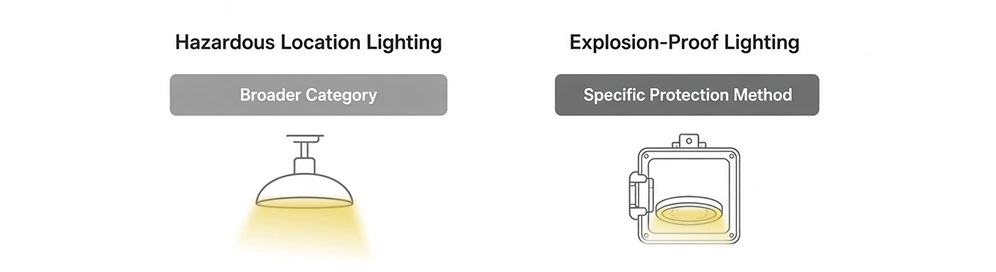
However, hazardous location lighting is a broader category for any fixture rated to operate safely near flammable gases, vapors, dusts, or fibers. Explosion-proof lighting is one specific design method engineered to contain internal explosions without igniting the surrounding atmosphere.
What is Hazardous Location (HazLoc) Lighting?
Hazardous location lighting refers to fixtures that are certified for use in areas where flammable gases, vapors, combustible dust, or ignitable fibers may be present in concentrations that could create a fire or explosion hazard.
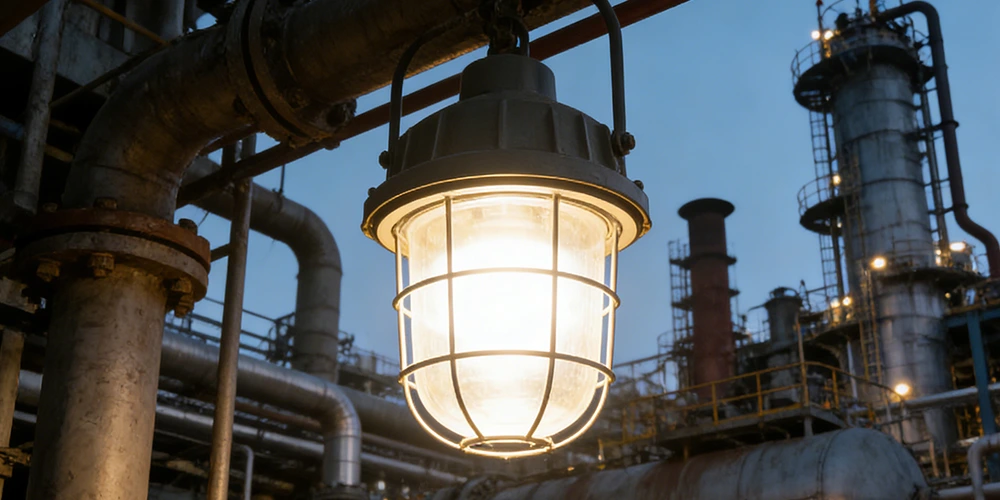
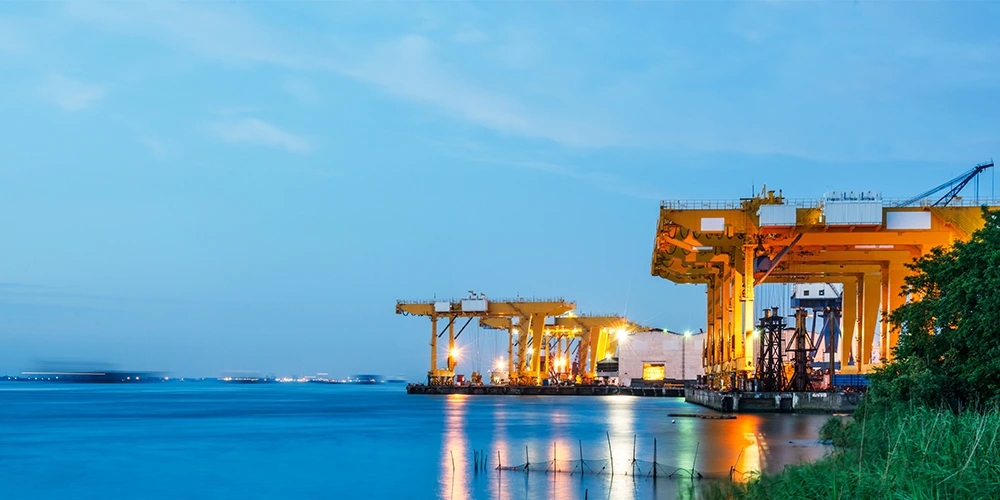
Common applications include oil and gas facilities, chemical processing plants, refineries, paint spray areas, grain handling and processing facilities, and certain wastewater treatment facilities.
The basic requirement is simple: the lighting fixture must be suitable for the specific hazardous environment and must not provide an ignition source under the conditions for which it is certified.
What is Explosion-Proof (Ex-Proof) Lighting?
Explosion-proof lighting is one specific type of hazardous location protection. An explosion-proof fixture uses a strong enclosure designed to contain an internal explosion and prevent it from igniting the surrounding atmosphere.
The term "explosion-proof" does not mean the fixture prevents an explosion from occurring, nor does it mean the fixture is indestructible. It describes a specific protection method in which the enclosure contains an internal ignition and prevents it from becoming an external ignition source.
Explosion-proof is therefore a protection concept within the broader category of hazardous location lighting.
What Hazardous Location Lighting Actually Covers
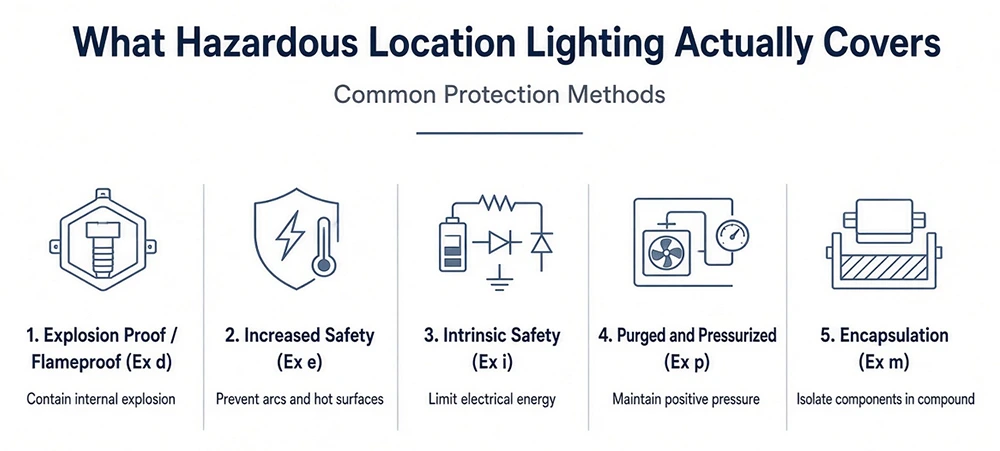
Hazardous location lighting is not limited to explosion-proof fixtures. Different protection methods address the risk of ignition in different ways, and the appropriate method depends on the type of hazard, area classification, and applicable certification requirements.
Here are some of the most common protection methods:
- Explosion proof / Flameproof (Ex d): The enclosure is designed to withstand an internal explosion and prevent flames or hot gases from igniting the surrounding hazardous atmosphere. This is the protection method most people have in mind when they hear the term "explosion proof."
- Increased safety (Ex e): The equipment is designed to prevent arcs, sparks, and excessive surface temperatures during normal operation and under specified fault conditions. The goal is to reduce the possibility of an ignition source developing inside the fixture.
- Intrinsic safety (Ex i): The electrical energy in a circuit is limited to levels that cannot ignite the specified hazardous atmosphere, including under defined fault conditions. This protection method is common in instrumentation, sensors, and other low-power electrical devices.
- Purged and pressurized (Ex p): The enclosure is maintained at a positive pressure using clean air or an inert gas. This prevents the surrounding hazardous atmosphere from entering the enclosure and coming into contact with potential ignition sources.
- Encapsulation (Ex m): Components that could produce an ignition source are enclosed in a solid insulating compound. This isolates the components from the surrounding atmosphere and prevents ignition from reaching the hazardous area.
How Hazardous Locations Classifications Guide the Choice
The hazardous area classification identifies the type of hazard present, how often it may be present, and the conditions the lighting fixture must be designed to withstand.
Two major classification systems are used in industrial applications: the North American system under the NEC and the international IEC system, including ATEX requirements in the European market.
North America: NEC Class and Division
Under the NEC, hazardous locations are classified by Class, Division, Group, and temperature code.
- Class I: Flammable gases or vapors
- Class II: Combustible dust
- Class III: Ignitable fibers or materials that produce combustible flyings
- Division 1 areas have the hazard present under normal conditions.
- Division 2 areas have the hazard present only under abnormal conditions.
International and European: IEC Zones and ATEX
The IEC system uses Zones to classify hazardous areas based on how frequently an explosive atmosphere may be present.
Locations are classified by Zones for gas and dust. Zone 0/20 indicates continuous presence, Zone 1/21 indicates likely presence during normal operation, and Zone 2/22 indicates presence only under abnormal conditions for short periods.
When Is Explosion-Proof Lighting Required?
Explosion-proof construction is one possible protection method for hazardous locations, but it is not automatically required for every hazardous area.
For example, explosion-proof or flameproof equipment is commonly used in Class I Division 1 and Zone 1 applications. However, the required protection method depends on the applicable certification system and the specific equipment certification. In Class I Division 2 and Zone 2 areas, other protection methods may be permitted when the equipment is properly certified for the application.
For projects in North America, the National Electrical Code, OSHA requirements, local regulations, and project specifications may all apply. In international projects, IEC, ATEX, or other applicable national requirements may govern the installation.
If you're not certain which protection method applies to your site, that's a normal position to be in; classification and certification requirements vary by region, industry, and even by area within the same facility. Our team can review your site's classification and help confirm the right specification before you order.
Contact us to confirm the right hazardous location lighting for your site.