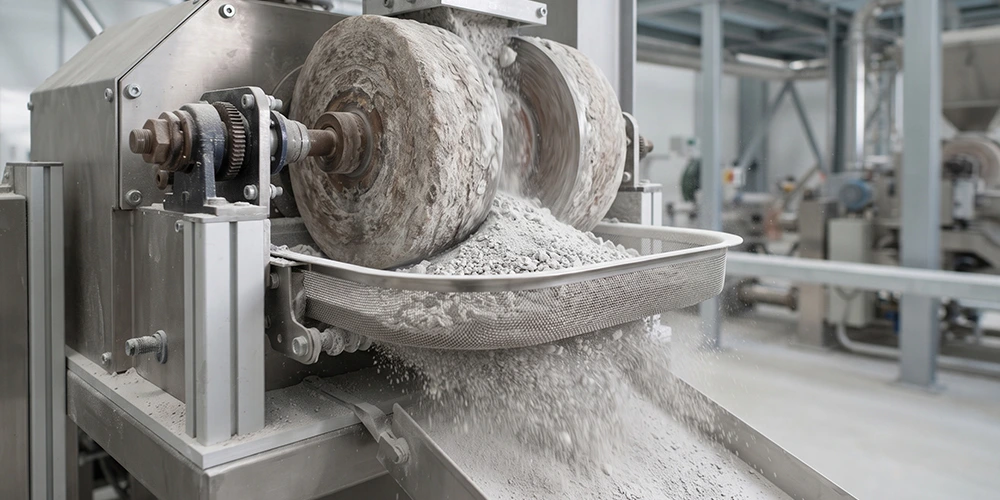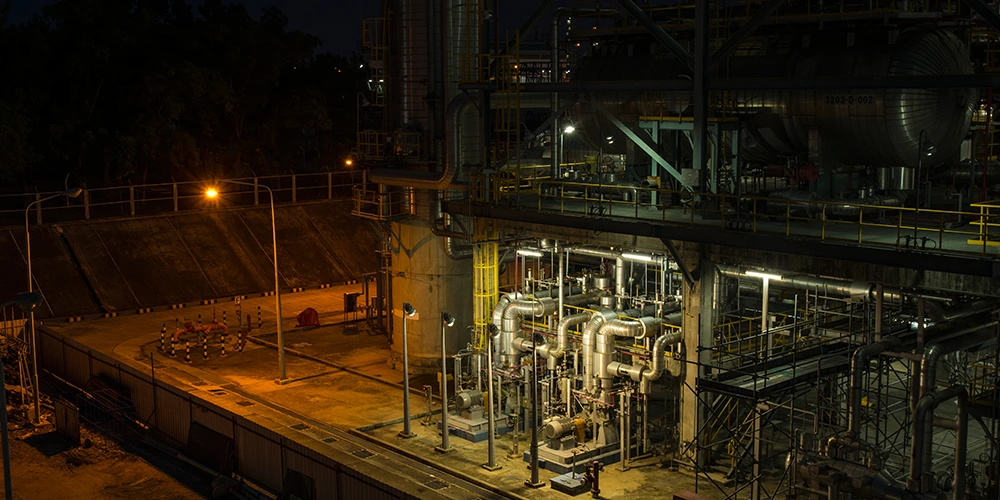

Fertilizer plants are classified as hazardous locations where ignition sources can trigger explosions. Ammonia derivatives, methane, and combustible dust particles create potentially explosive atmospheres, particularly in mixing areas, storage silos, and chemical reactors.
Explosion-proof lighting is essential to ensure the safe, efficient, and smooth operations in fertilizer plants. So, in this guide, let’s explore what actually matters when selecting LED lighting for this demanding space.
Critical Features for Fertilizer Plant LED Lighting
Fertilizer factories face uniquely demanding conditions, including exposure to corrosive chemicals, flammable fumes, and dense dust. Effective LED lighting must prioritize safety, durability, and performance to ensure smooth operations. Below are essential features to consider, along with recommendations for selecting the most suitable types for your facility.
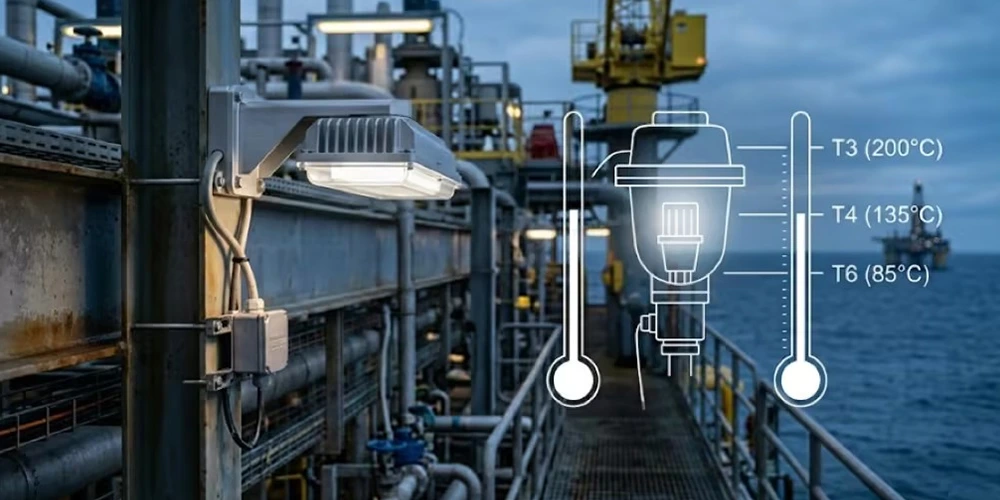
Getting Explosion Protection Right
When fertilizer plants talk about hazardous areas, they're dealing with specific classifications that matter a lot. The areas around ammonia reactors, mixing zones, and storage silos are classified as hazardous locations.
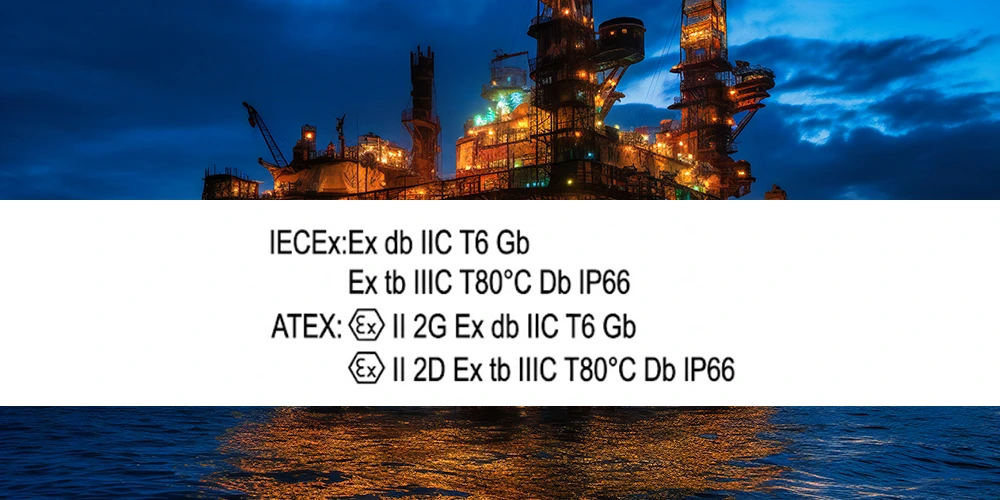
The lighting needs proper certifications:
- ATEX if you're in Europe
- IECEx for international standards
- UL or CSA ratings for North America

Dealing With Corrosion
Ammonia is relentless. So are the acids and alkalis used in fertilizer production. Common materials that hold up to corrosion are 316 stainless steel and fiberglass-reinforced plastic (FRP).
316L stainless steel means low carbon content, which makes it resist corrosion from chlorides and acids much better than regular stainless steel. Although it costs more upfront. It is still going strong in the future. Fiberglass-reinforced plastic (FRP) is lighter than stainless steel, doesn't corrode, and costs less.
Keeping Dust Out
Fertilizer dust is sneaky. It gets everywhere, and it's not just a cleaning issue. Select lighting with a high IP rating. But the rating alone isn't enough. Look for fixtures with smooth surfaces that don't trap dust, and sealed optical chambers that keep particles away from the LEDs and electronics.
Handling Water and Humidity
Some areas of fertilizer plants are basically wet all the time. Cooling systems, dust suppression, washdown areas, outdoor loading zones, and water are everywhere. Choose LEDs with IP65 or IP67/68 for heavy splashes or temporary submersion.
Energy Efficiency
Fertilizer plants use enormous amounts of energy for production. While lighting isn't your biggest energy consumer, it's one of the easiest to optimize. Choosing LED lights with an efficacy of 130lm/W or higher helps reduce energy costs. Adding sensors like occupancy sensors and daylight harvesting, as well as the dimming control, pushes savings even higher.
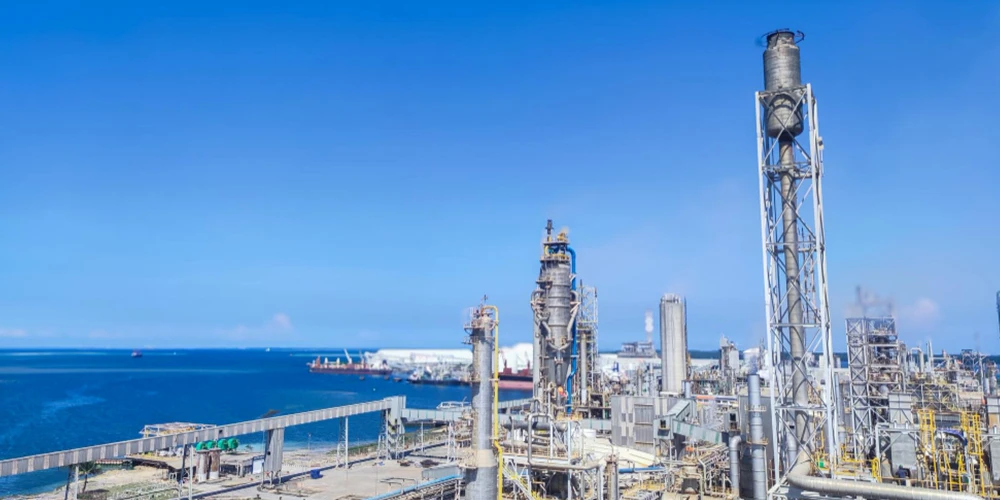
Choosing the Right Fixture Type for Each Area
Explosion-Proof LED High Bays: Ideal for large areas (production floors, warehouses) with high ceilings, providing wide, uniform illumination.
Explosion-Proof LED Floodlights: Suitable for outdoor zones (storage yards, docks) and indoor machinery bays, delivering intense, far-reaching light.
Explosion-Proof LED Linear Lights: Perfect for workshops, conveyor areas, and corridors, slim designs fit tight spaces while offering focused lighting.
Explosion-Proof LED Task Lights: Provide targeted brightness for control panels, maintenance stations, and labs, minimizing light waste.
Getting Installation and Selection Right
Don't Skip Emergency Lighting
Power outages in fertilizer plants are serious. People need to see egress routes, safety equipment, and critical controls. Install explosion-proof emergency fixtures with battery backup in all exit paths and near essential equipment. Most regulations require a minimum illumination for 90 minutes
Make Maintenance Easier
Choose fixtures that the maintenance team can actually service efficiently:
- Tool-free lens access saves huge amounts of time
- Modular drivers that plug in and out beat hard-wired designs
- Clear documentation with wiring diagrams
- Accessible junction boxes that don't require acrobatics to reach
Qualified Electricians (This Is Non-Negotiable)
Hazardous location electrical work isn't something to learn on the job. You need qualified electricians who know proper sealing and grounding techniques, and how to maintain explosion-proof ratings during installation.
Critical warning: Improper installation voids safety certifications and creates life-threatening hazards. Thread engagement, conduit sealing, and gasket compression must meet exact specifications.
Every fertilizer facility is different. Your specific processes, building layouts, hazard classifications, and local codes all affect what lighting solution works best for you.
Need help figuring out what's right for your facility? Get in touch for a facility assessment and straight answers about what lighting will actually work in your environment.