
In high-risk industries such as oil and gas, chemical processing, and pharmaceuticals, the integrity of explosion-proof electrical systems is paramount. While focus often rests on heavy machinery, the safety of the entire system frequently depends on two critical components: Explosion-Proof Cable Glands and Stopping Plugs.
Known as the "gatekeepers" of electrical enclosures, these components ensure that hazardous gases, dust, and flames are contained, protecting both personnel and assets.
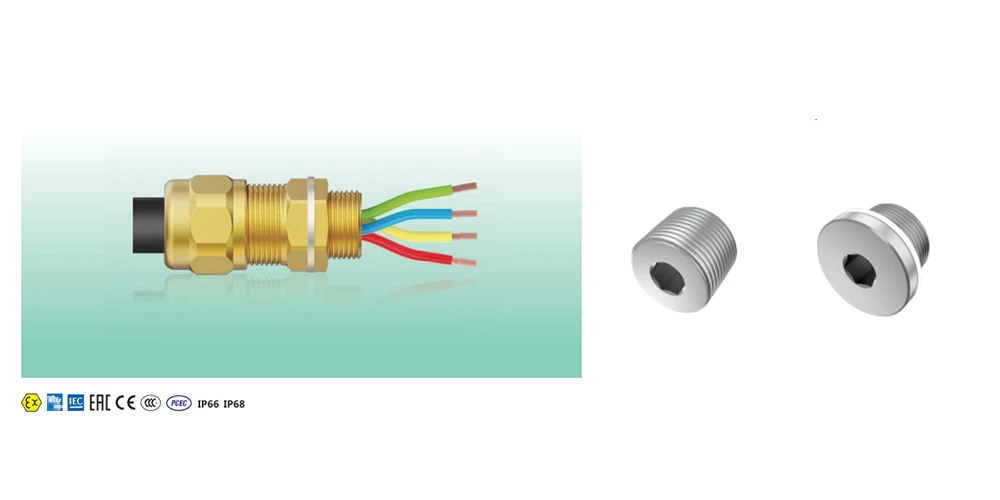
Explosion-Proof Cable Glands: The Shield for Connectivity
A cable gland (also known as a cable connector in North America) is a device designed to attach and secure the end of an electrical cable to an enclosure.
Core Functions:
- Flame & Sealing Protection: It creates a physical barrier using internal seals or compounds to prevent internal explosions from escaping or external hazardous elements from entering.
- Mechanical Retention: It provides a "pull-out" resistance, ensuring that cables remain securely attached even under vibration or accidental strain.
- Earth Continuity: For armored cables (SWA/STA), specialized glands provide a reliable grounding path, maintaining the electrical safety of the entire circuit.
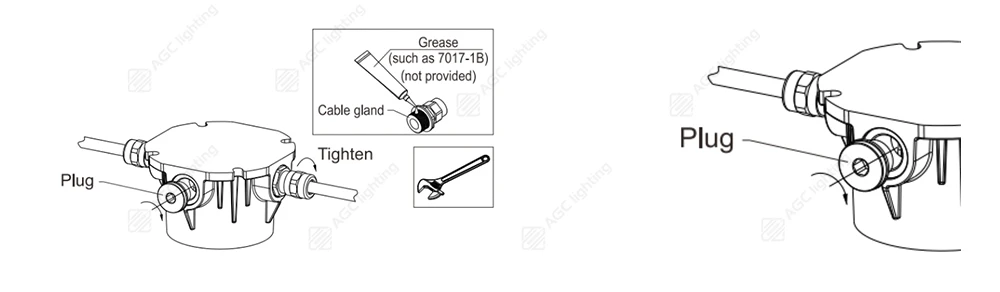
Explosion-Proof Stopping Plugs: Securing the Redundancy
Enclosures are often manufactured with multiple entry points for future expansion. Stopping plugs are used to permanently or temporarily seal those unused entries.
Core Functions:
- Maintaining Enclosure Integrity: A single unsealed hole renders an explosion-proof rating void. Stopping plugs ensure the enclosure remains a closed, fire-containment system.
- Environmental Protection: Beyond explosion safety, these plugs provide critical Ingress Protection (IP). While Ex d (Flameproof) certification focuses on containing internal pressure, the IP rating (e.g., IP66/68) ensures the device remains water and dust-tight.
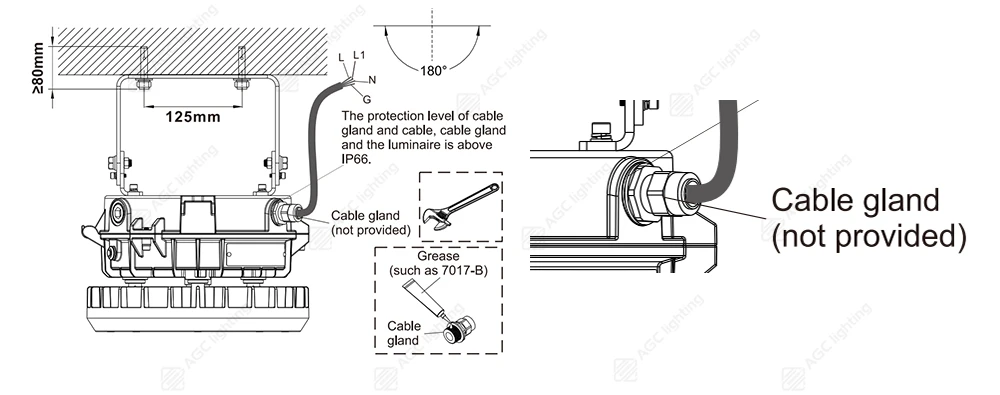
The IEC/ATEX System (Metric)
Common Markets: Europe, Asia, the Middle East, and China.
Threads: Primarily Metric (e.g., M20, M25).
Protection Concepts: Classified by Zones (Zone 0, 1, 2). Selection usually involves Ex d (Flameproof) or Ex e (Increased Safety).
The North American System (NEC/CEC)
Common Markets: USA, Canada, and parts of South America.
Threads: Primarily NPT (National Pipe Thread). These are tapered threads that create a metal-to-metal seal as they are tightened.
Barrier Glands (TMCX): In Class I, Div 1 locations, Barrier Glands are often mandatory. These require a potting compound (specialized sealing resin) to be packed around individual conductors to block gas migration through the cable core.
Environmental Ratings: Instead of IP ratings, North American projects often use NEMA ratings (e.g., NEMA 4X is roughly equivalent to IP66).
Selection Criteria: A Professional Checklist
Material Compatibility
Nickel-Plated Brass: The industry standard for general industrial use, providing excellent corrosion resistance.
Stainless Steel (316L): Essential for offshore platforms or highly acidic chemical environments.
Polyamide (Nylon): Used specifically for Ex e (Increased Safety) or Ex i (Intrinsic Safety) applications where weight and cost are factors.
Certification and Marks
No explosion-proof product should be installed without a valid certification:
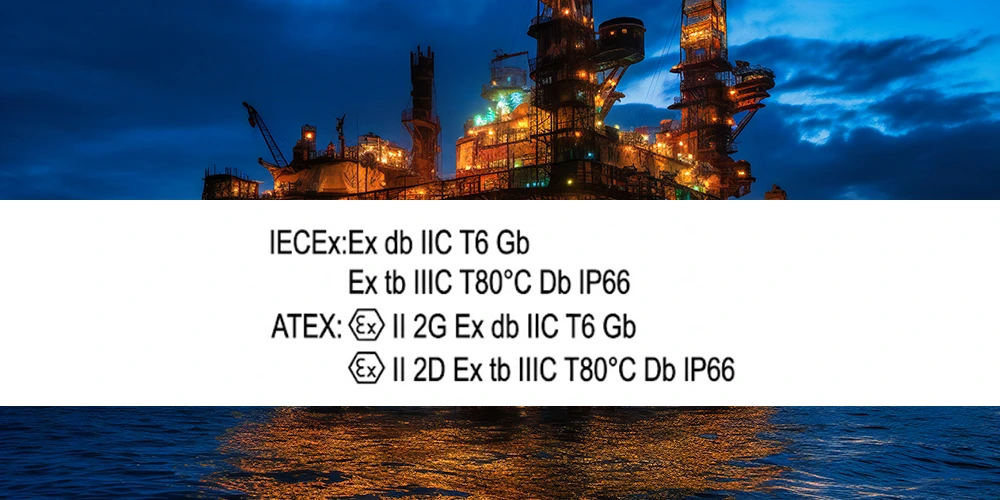
- Global: IECEx (International Electrotechnical Commission).
- Europe: ATEX (marked with the hexagon "Ex" logo).
- North America: UL, CSA, or FM marks (e.g., cULus).

Precision Sizing & Sealing
Cable Diameter: The cable's outer diameter must fall within the specific sealing range of the gland.
Thread Match: Never force an NPT gland into a Metric hole. Always use a certified Ex Thread Adapter.
Sealing Compounds: When using barrier glands, the potting compound must be mixed and cured according to the manufacturer’s exact specifications to ensure no voids are left for gas migration.
Pro-Tips for Field Inspection
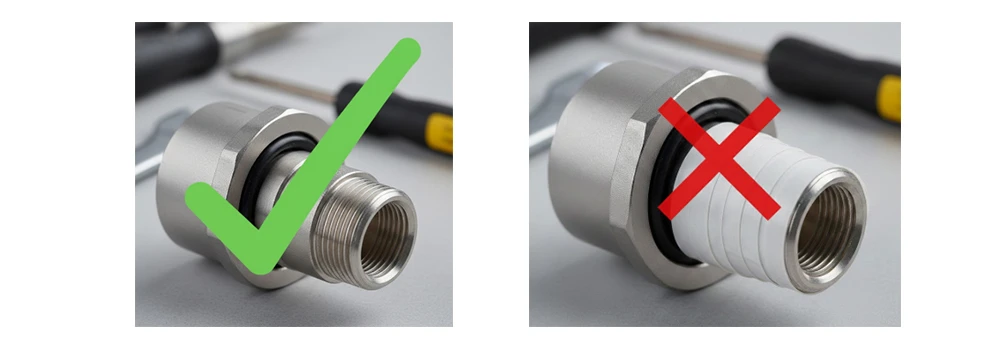
Stop Using Thread Tape: In many Metric/Ex d installations, relying on PTFE tape (plumber's tape) to achieve a seal is prohibited. Proper explosion-proof integrity relies on the thread engagement and the specific O-ring/gasket provided.
Inspect the O-Ring: Always verify that the interface seal (between the gland and the enclosure) is intact. An explosion-proof rating does not automatically guarantee a waterproof seal without a properly seated O-ring.
Safety in hazardous areas is built on the details. Whether you are following IECEx or NEC standards, choosing the correct explosion-proof cable glands and stopping plugs is not just a regulatory requirement—it is a critical investment in operational continuity.