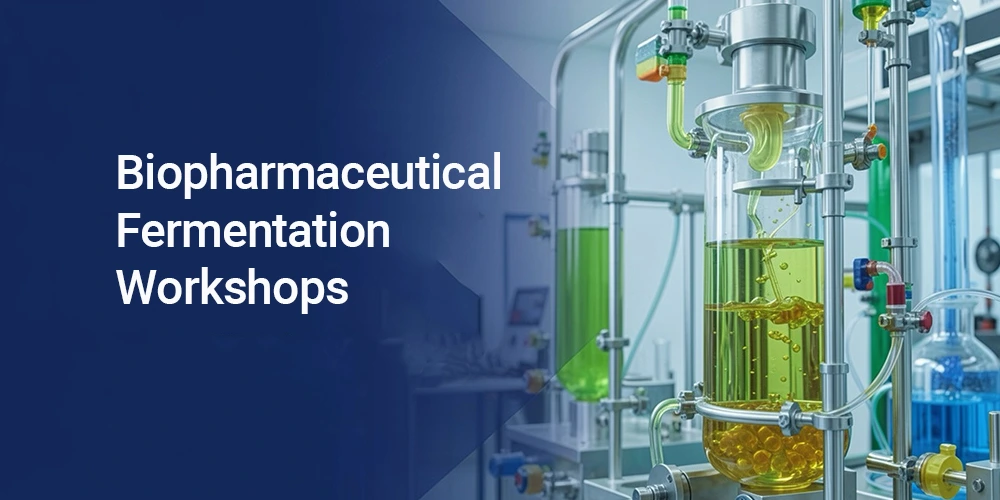

In the traditional perception of the pharmaceutical industry, GMP (Good Manufacturing Practice) is the "Sword of Damocles" hanging overhead. To pursue an ultimate sterile environment, immense effort is invested in air filtration, surface disinfection, and personnel gowning. However, within those bright and clean fermentation rooms and purification suites, an easily overlooked "invisible risk" quietly exists—an explosive atmosphere.
- From Solvents to Dust: The Reality of Fire Hazards in Biopharmaceuticals
- Explosion-proof Luminaires: Beyond Ruggedness, a Scientific "Isolation"
- i. The Art of Temperature Control
- ii. Dual Protection: "Increased Safety" and "Flameproof"
- iii. Addressing Biopharma’s Unique Challenges: IP Ratings and Corrosion Resistance
- A Win-Win for Efficiency and Safety
From Solvents to Dust: The Reality of Fire Hazards in Biopharmaceuticals
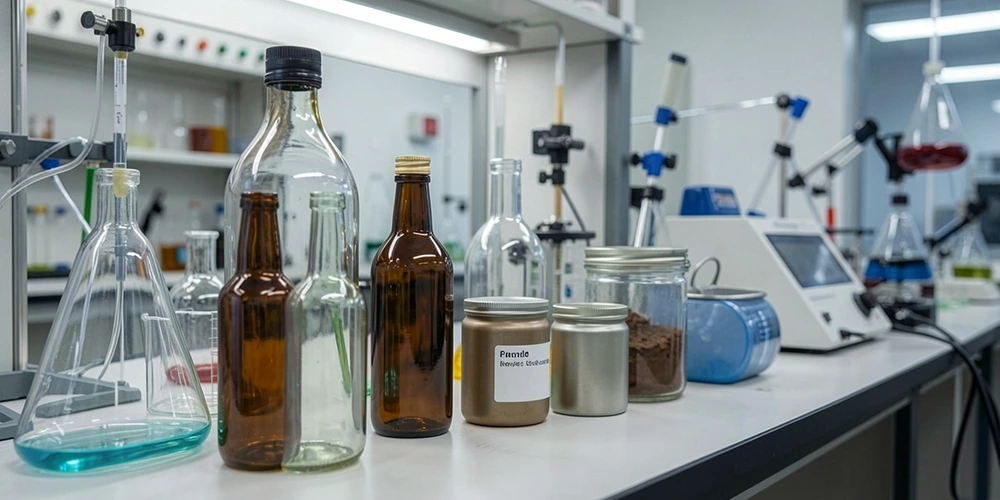
Biopharmaceutical production is far more complex than the "bottles and jars" found in a laboratory. In industrial-scale manufacturing, organic solvents such as ethanol, methanol, and isopropanol are used extensively to maintain sterile environments or perform component extraction.
- Fermentation Stage: During the metabolic process, fermentation tanks may generate flammable off-gases. In confined spaces, the accumulation speed of solvent vapors often exceeds expectations.
- Purification and Extraction: During column chromatography, centrifugation, and pressure filtration processes, high concentrations of solvents are exposed to the air.
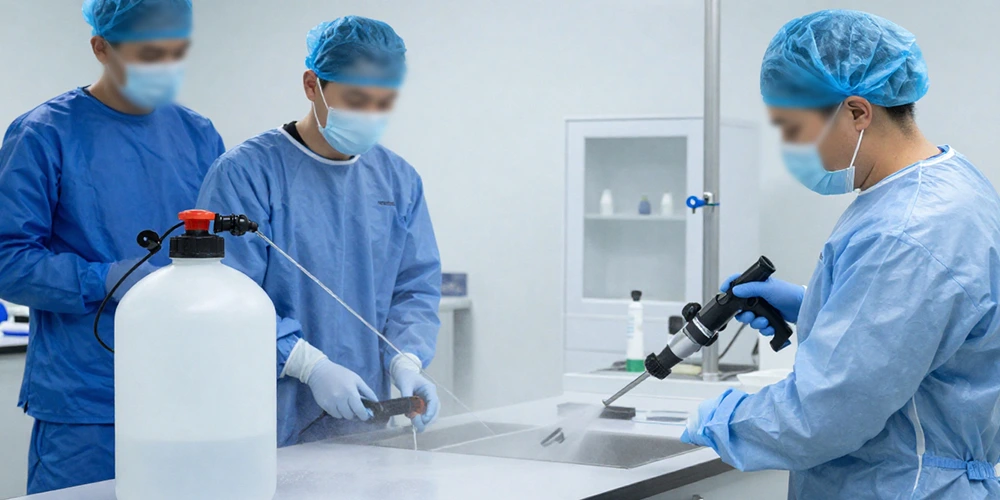
- Cleaning Stations (WIP/CIP): Frequent use of alcohol sprays or solvent rinsing can form highly ignitable vapor clouds in localized areas
When these flammable vapors encounter ordinary electrical equipment, a tiny switching spark or an overheated lamp surface can lead to an irreparable disaster. This is the core reason why explosion-proof lighting has transitioned from an "optional feature" to a "standard requirement."
Explosion-proof Luminaires: Beyond Ruggedness, a Scientific "Isolation"
In hazardous areas (Zone 1 or Zone 2), ordinary LED fixtures represent a massive safety liability. The design philosophy of explosion-proof lighting is to sever the contact between the "ignition source" and the "flammable medium" through both physical and electrical means.
i. The Art of Temperature Control
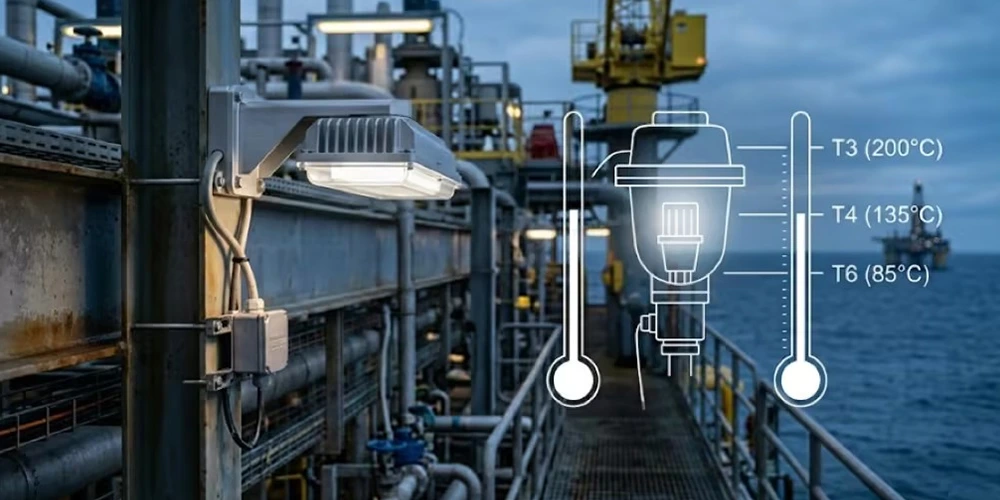
Solvents used in biopharmaceuticals typically have low auto-ignition temperatures. Explosion-proof luminaires undergo rigorous Temperature Class testing (such as T4 or T6), ensuring that even under prolonged high-load operation, the maximum surface temperature of the enclosure will not reach the auto-ignition point of the gases in the environment.
ii. Dual Protection: "Increased Safety" and "Flameproof"
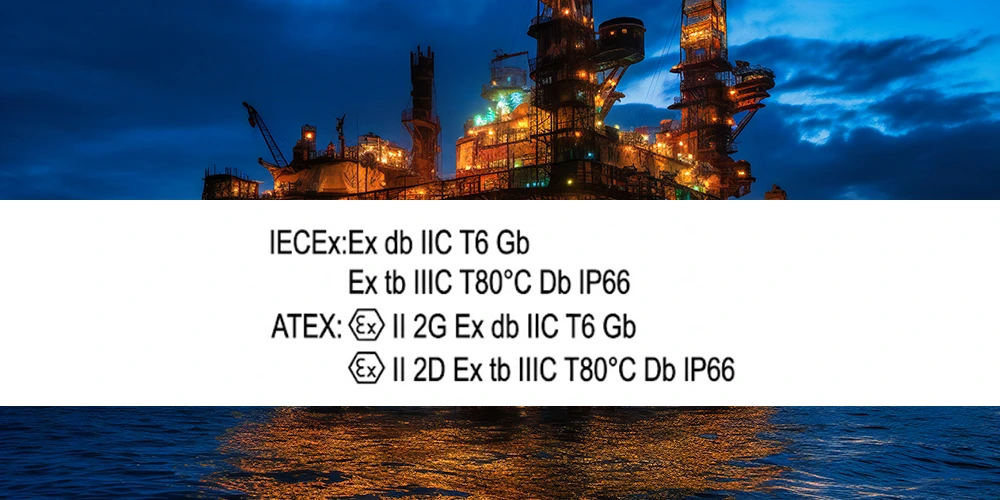
Modern pharmaceutical workshops frequently employ Ex e (Increased Safety) or Ex d (Flameproof) technologies.
- Increased Safety (Ex e): Prevents the generation of arcs and sparks by enhancing the insulation performance of components and the reliability of connections.
- Flameproof (Ex d): Even if an internal explosion occurs within the fixture, its robust enclosure is designed to contain the explosion pressure internally and extinguish any escaping flames.
iii. Addressing Biopharma’s Unique Challenges: IP Ratings and Corrosion Resistance
Unlike oil fields, pharmaceutical workshops require frequent Vaporized Hydrogen Peroxide (VHP) fumigation and high-pressure water hosing. This means explosion-proof lights must not only be explosion-protected but also possess:
- High Ingress Protection (IP66/67): To completely prevent the entry of water vapor and dust.
- Chemical-Resistant Enclosures: Utilizing Stainless Steel 316L or specially coated aluminum alloys to ensure the housing does not peel or rust in the presence of corrosive disinfectants.
A Win-Win for Efficiency and Safety
Many business owners worry that explosion-proof equipment might compromise cleanliness or escalate maintenance costs. In reality, modern explosion-proof LED luminaires feature smooth, streamlined designs with no "dead zones" for dust accumulation, fully complying with GMP (Good Manufacturing Practice) requirements for cleanroom equipment.
Furthermore, the long service life of LEDs significantly reduces the frequency of entering clean zones for lamp replacement, directly lowering the risk of cross-contamination.
In today’s pursuit of innovation within the biopharmaceutical industry, safety remains the cornerstone of all process improvements. The explosion-proof light in a fermentation suite is more than just a lighting tool; it is the final barrier protecting the lives of operators and ensuring that high-value pharmaceutical assets are not consumed by fire.