
- 1. Evaluate Sample Fixtures Before Bulk Purchase
- 2. Assess Fixture Longevity and Reliability
- 3. Consider Color Temperature Based on Application
- 4. Verify Electrical System Compatibility
- 5. Consider True Retrofit Solutions
- 6. Account for Physical Obstructions
- 7. Define Illumination Targets and Refer to Industry Standards
- 8. Match Fixture Design to Mounting Height
- 9. Verify Environmental and Hazardous Area Certifications
- An Industrial LED Retrofit Requires a Strategic and Systematic Approach
Upgrading facility lighting to LED is a strategic move to reduce energy consumption, improve illumination quality, and minimize maintenance. However, to ensure a successful transition, several technical and operational factors must be carefully evaluated before installation. Below are essential considerations to guide your LED retrofit project. Advantages of LED Technology in Harsh and Hazardous Areas.

1. Evaluate Sample Fixtures Before Bulk Purchase
Prior to finalizing any lighting design, it is highly recommended to request physical samples. Observing a fixture in the actual environment—under real operating conditions—provides insights that datasheets cannot offer. Most manufacturers offer sample programs that allow you to assess performance, color rendering, optics, and brightness levels before making a large-scale investment.
2. Assess Fixture Longevity and Reliability
When selecting new lighting systems, consider both energy efficiency and long-term durability. Evaluate the expected lifespan of the luminaire and the ease of replacing components such as drivers. A well-designed LED system should reduce both energy use and maintenance frequency, contributing to lower operational costs over time
3. Consider Color Temperature Based on Application
Color temperature significantly affects visual perception and task performance. Cool white light, often perceived as brighter, is ideal for high-bay applications and floodlighting. Warmer tones may be more suitable for task lighting at lower mounting heights. Choose a color temperature that aligns with the activities and spatial characteristics of each area.
4. Verify Electrical System Compatibility
Ensure that your facility’s voltage levels are compatible with the new LED fixtures. Additionally, assess power quality—especially in environments with heavy machinery that may cause voltage fluctuations. For outdoor installations, surge protection compliant with IEEE standards (minimum 6 kV, with 10 kV recommended for high-risk areas) is essential to safeguard LED systems.
5. Consider True Retrofit Solutions
To reduce labor costs and installation time, seek LED solutions that integrate with existing infrastructure. Many modern retrofit fixtures are designed to mount directly onto existing hoods and conduit systems. Retrofit adapters can also expand compatibility, enabling a single luminaire type to be used across various mounting configurations.
6. Account for Physical Obstructions
Evaluate the facility layout for potential obstacles such as beams, pipes, or equipment that may block light or restrict access. In such cases, alternative mounting methods—such as pendant mounts—may be necessary to achieve optimal illumination coverage.
7. Define Illumination Targets and Refer to Industry Standards
Establish clear lighting level goals based on industry guidelines such as IES RP-7 for industrial environments or API RP-540 for petroleum facilities. LED fixtures are directional and efficient; a 5,000-lumen LED can often replace a 150W HPS lamp, producing 15,000 lumens, delivering adequate light with significantly less energy.
8. Match Fixture Design to Mounting Height
High-bay applications benefit from high-lumen floodlights that can distribute light evenly across large areas. Some manufacturers offer field-replaceable optics or globes, allowing the same fixture to be adapted for different mounting heights and lighting needs.
9. Verify Environmental and Hazardous Area Certifications
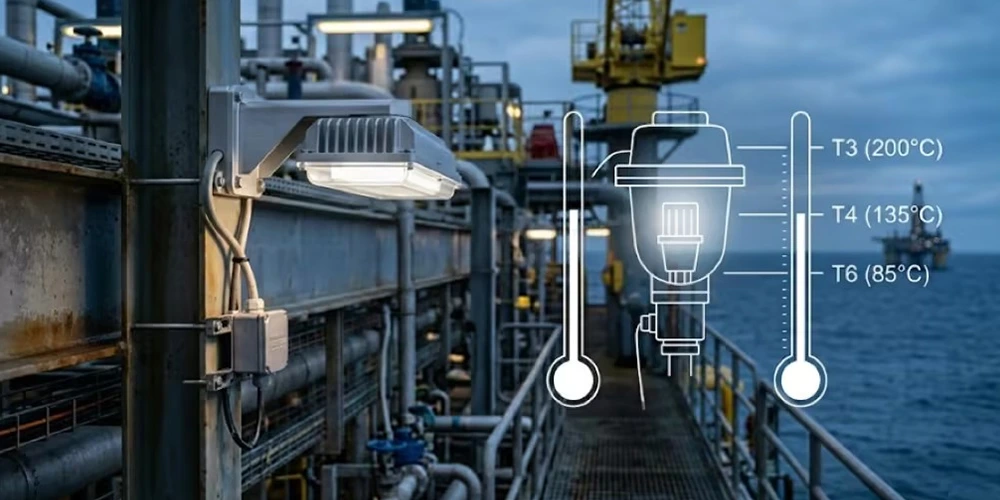
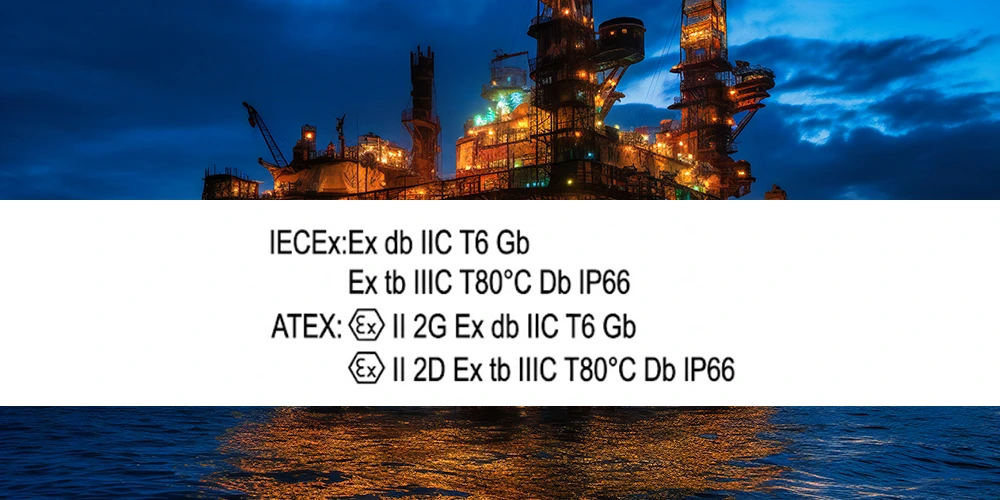
Ensure that selected fixtures meet the necessary certifications for your facility’s operating environment. This includes ratings for hazardous locations, damp or wet conditions, marine exposure, and elevated ambient temperatures. Selecting rugged, certified products ensures long-term performance and regulatory compliance in demanding industrial settings.
An Industrial LED Retrofit Requires a Strategic and Systematic Approach
A successful industrial LED retrofit involves more than simply replacing old fixtures—it requires a strategic and systematic approach. From evaluating sample products and leveraging incentive programs to ensuring electrical compatibility, addressing environmental certifications, and planning for long-term maintenance, each step plays a critical role in achieving optimal lighting performance and cost efficiency.
By conducting thorough upfront assessments and selecting the right solutions, facilities can enhance illumination quality, reduce energy consumption, and lower maintenance burdens—ultimately supporting sustainable and efficient operations. For tailored recommendations or further technical support, feel free to reach out.