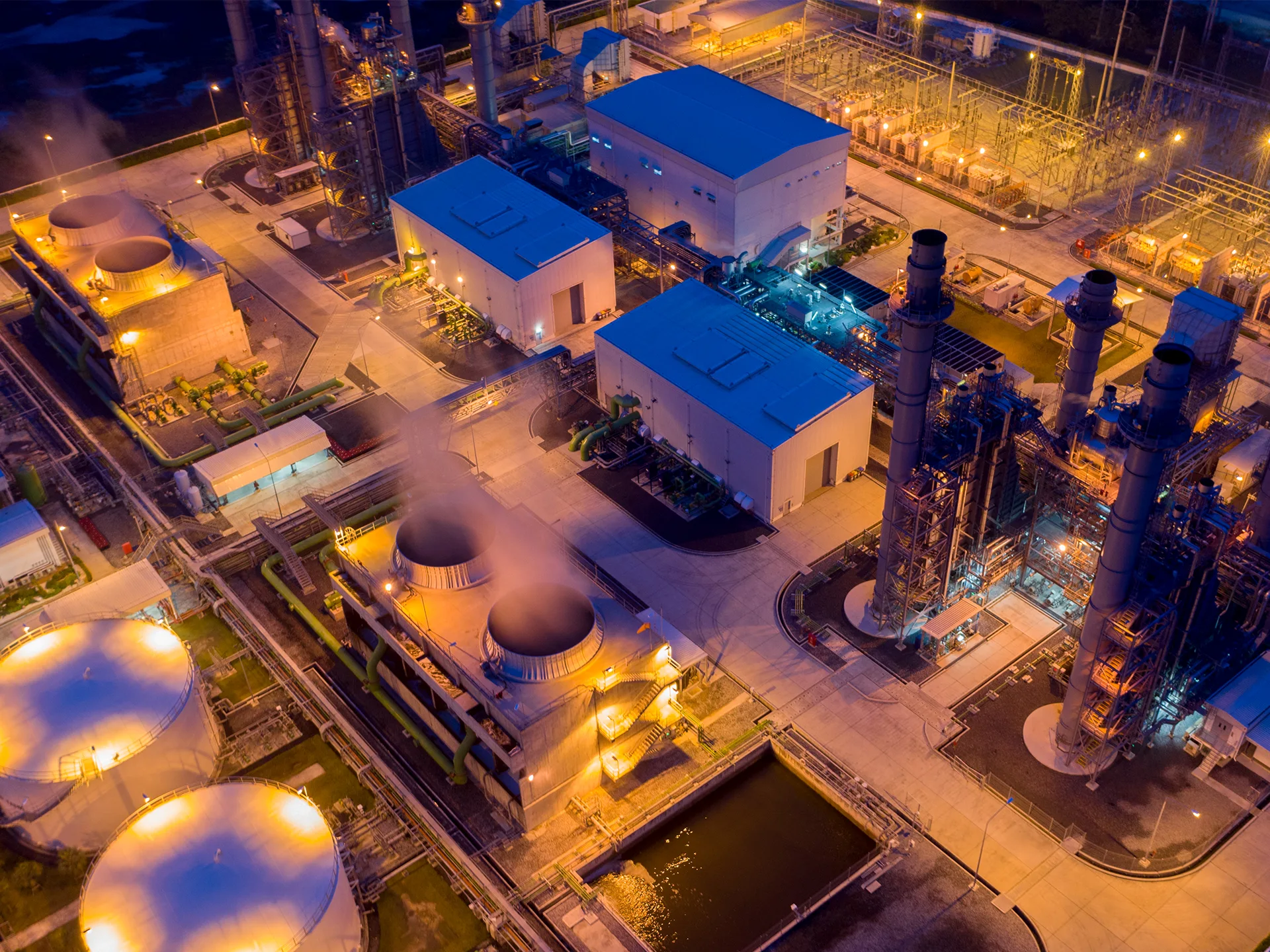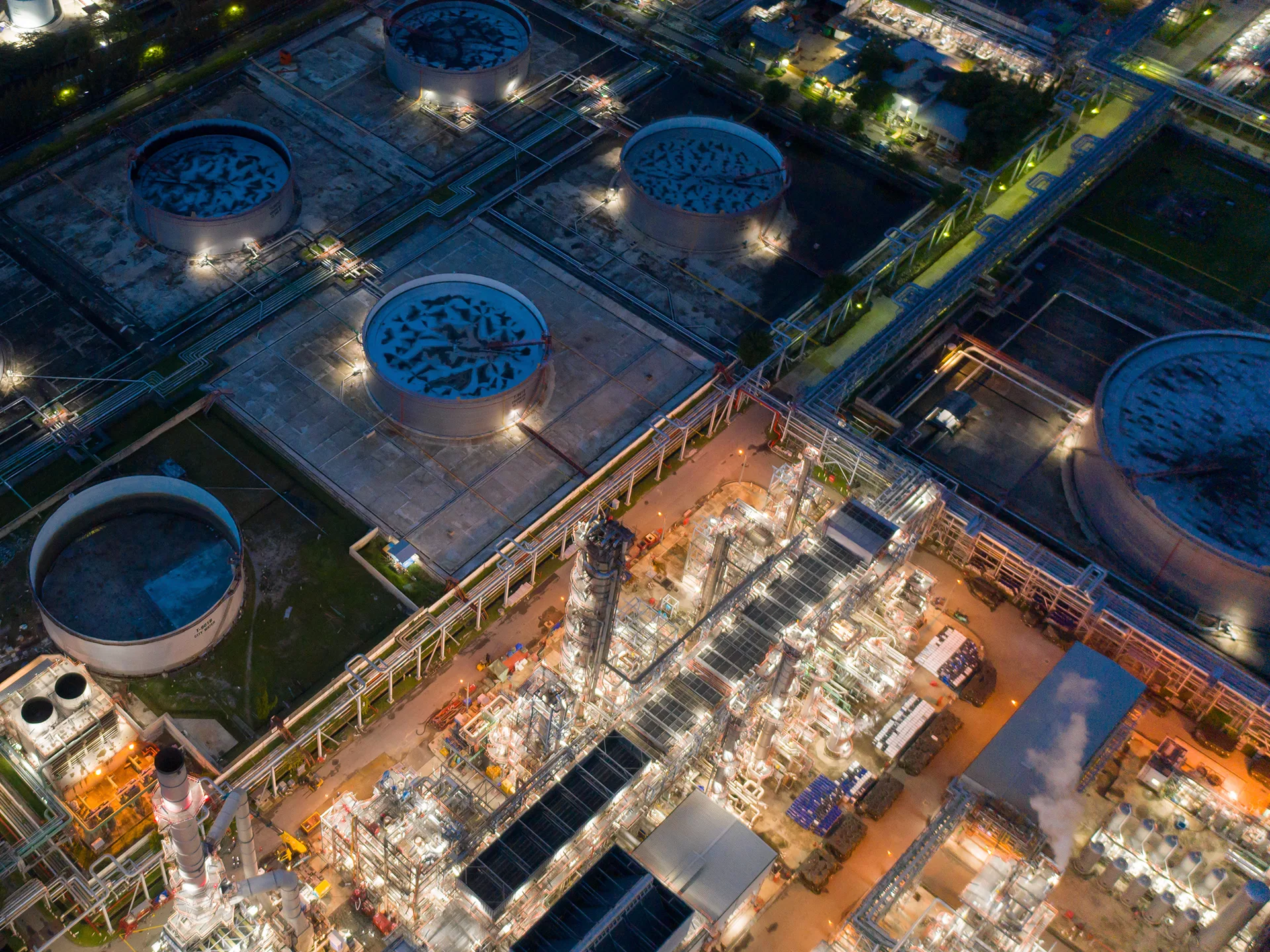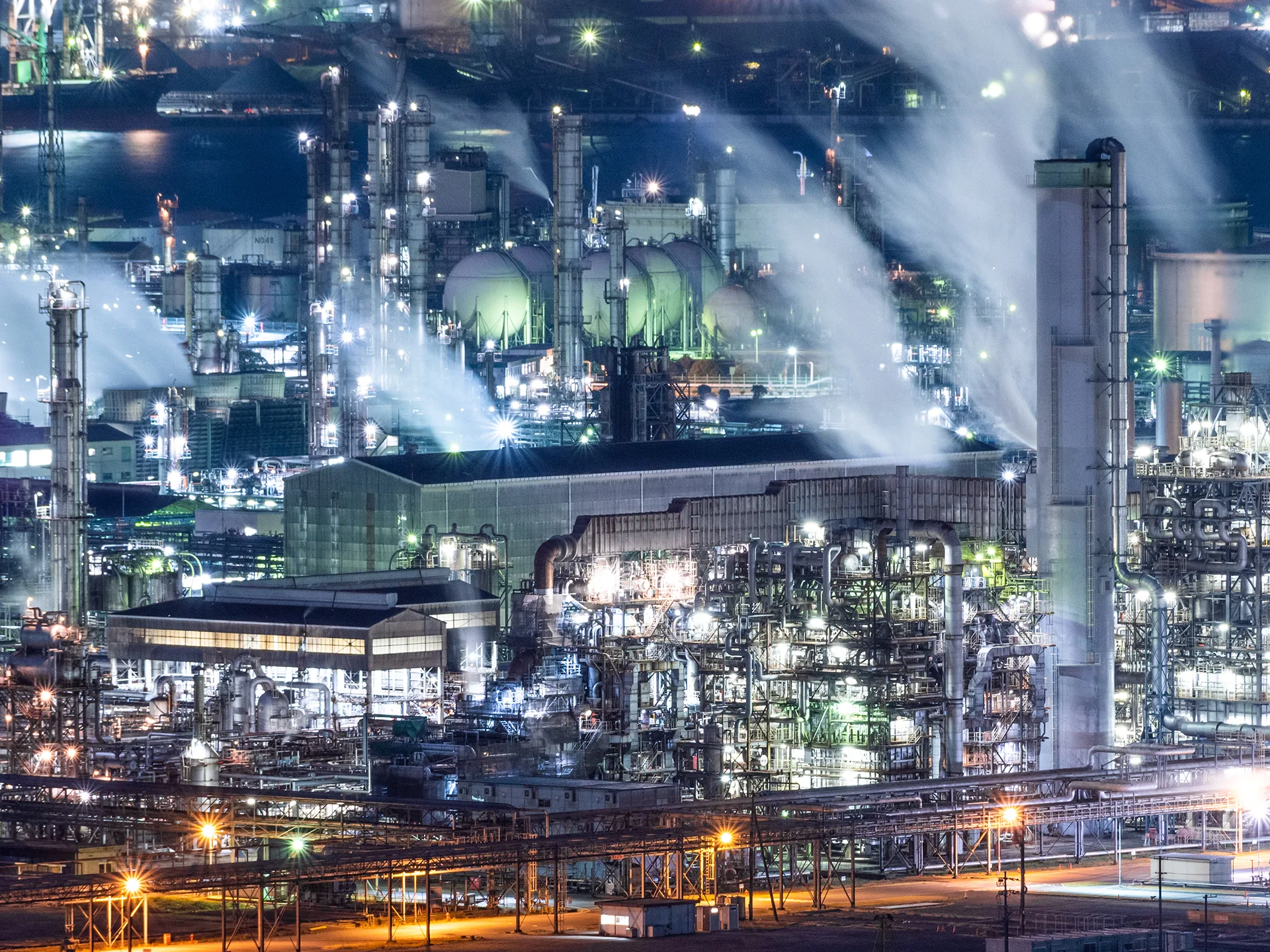
Chemical plants process and store a wide range of hazardous materials, such as solvents, acids, alkalis, and volatile organic compounds (VOCs). Many of these substances emit flammable vapors (e.g., ethanol, acetone) or form combustible dust (e.g., chemical powders). Leaks from pipelines, reactors, or storage tanks can quickly create explosive atmospheres. Ordinary lighting fixtures may have electrical components that generate sparks, or their plastic parts may degrade when exposed to chemicals, leading to housing cracks and ignition risks.
Precision is key in chemical processing: staff need clear visibility to monitor reaction levels, adjust valves, and check for leaks. Explosion-proof lights provide stable, bright illumination while eliminating ignition sources—their corrosion-resistant materials (e.g., 316L stainless steel) withstand chemical splashes, and their sealed designs prevent vapor intrusion. They also ensure compliance with safety regulations, avoiding costly shutdowns or accidents caused by non-compliant lighting.
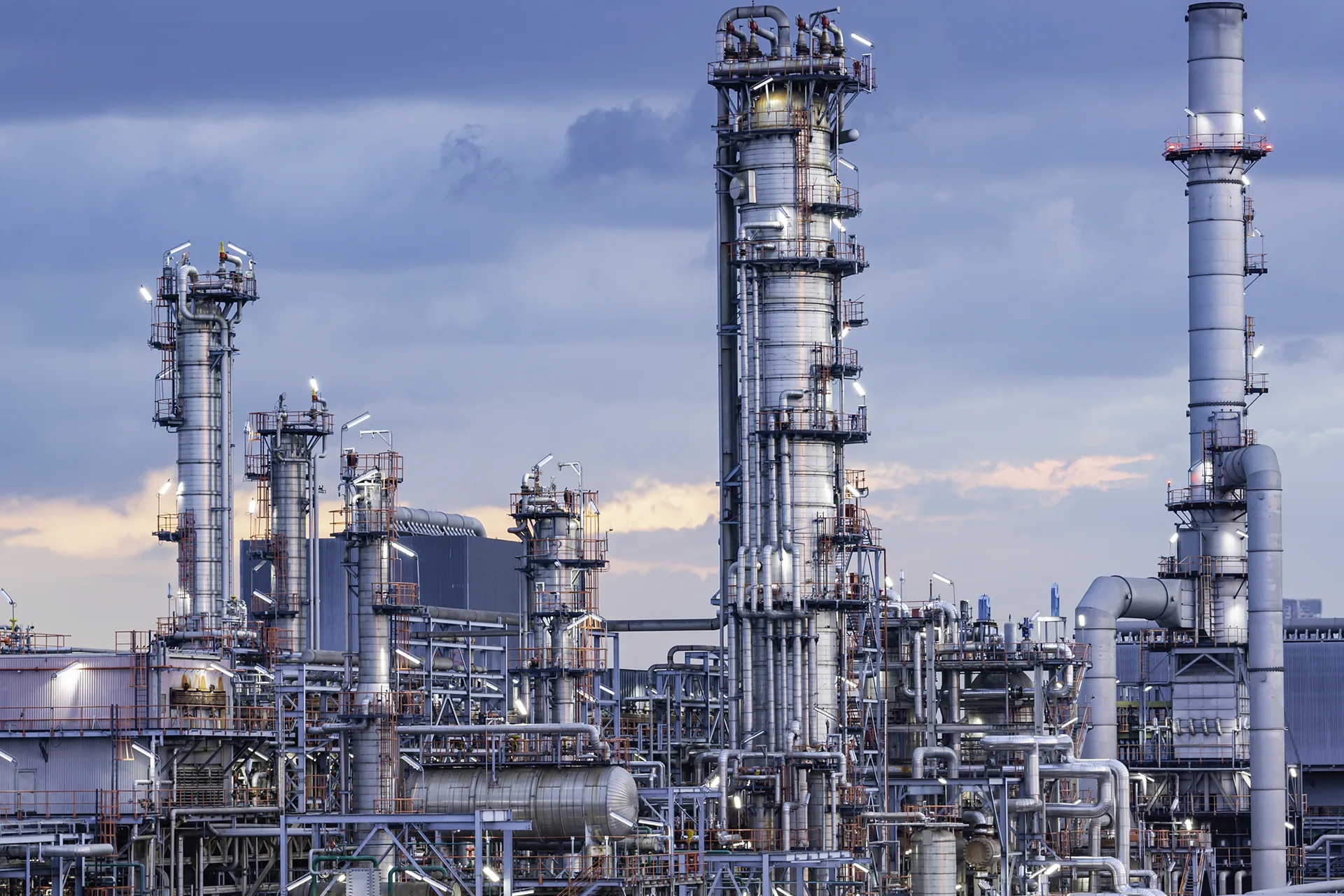
Check fixtures for rust, discoloration, or material degradation biweekly—pay extra attention to areas near acid/alkali tanks. Use chemical-resistant cleaners to wipe surfaces.
Inspect power cords and connections for fraying or chemical damage monthly—replace damaged wiring with explosion-proof-rated cables (never use standard electrical tape for repairs).
Install lights based on the facility’s hazard zone (e.g., Zone 0 for continuous explosive atmospheres, Zone 1 for occasional atmospheres) to ensure proper protection.
Connect fixed explosion-proof lights to the plant’s emergency shutdown system—this automatically cuts power to lights during a gas leak, reducing ignition risks.
Follow the manufacturer’s recommended replacement cycle for bulbs and internal components—aged parts are more likely to fail and cause hazards.