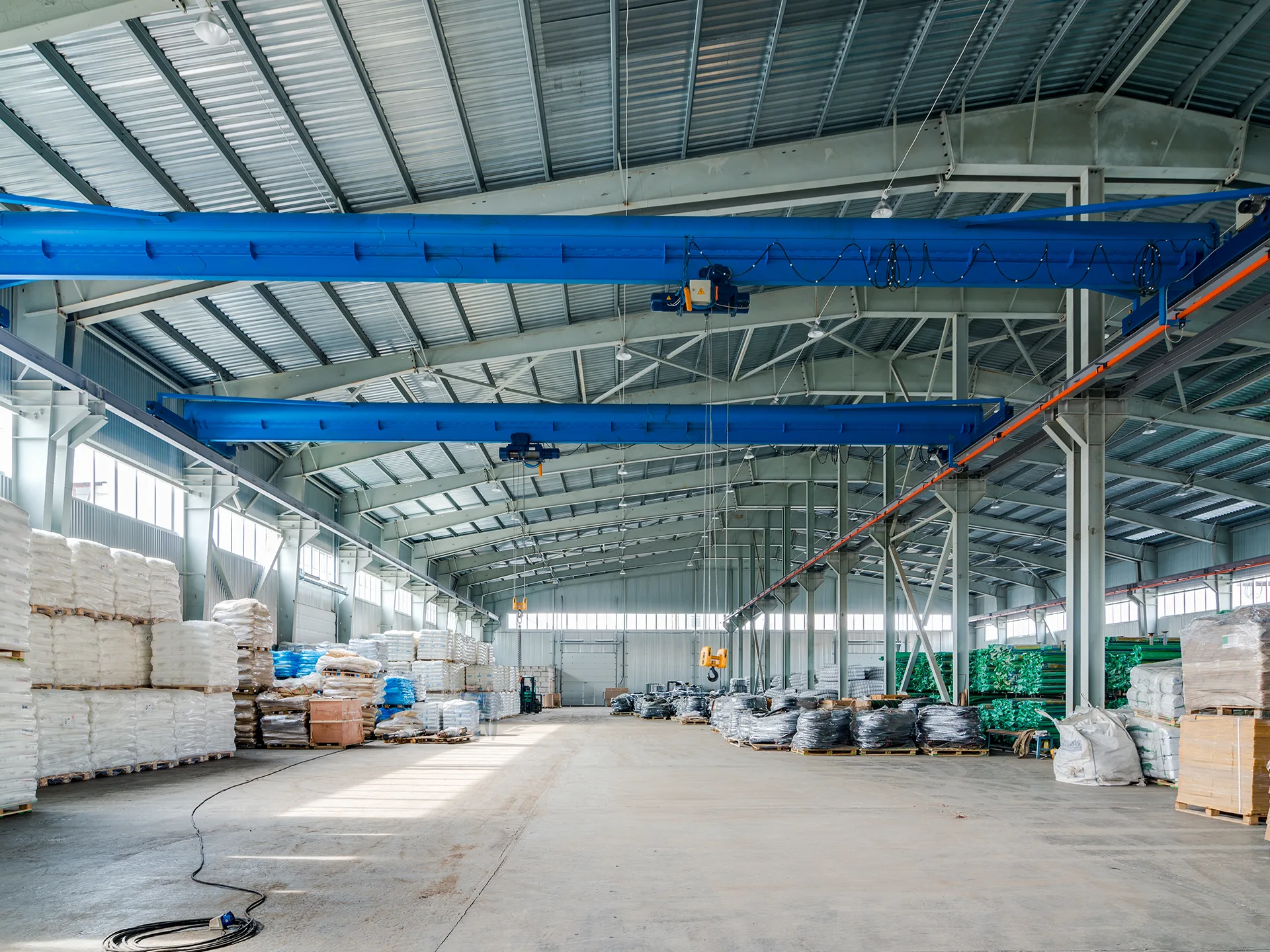
Warehouses face explosion risks tied to two core factors: stored goods and operational environments. If used to store flammable items—such as chemical raw materials, paints, solvents, alcohol, or fireworks—volatile vapors or combustible dust from these goods can accumulate and form explosive mixtures with air. Even for warehouses storing ordinary goods (e.g., electronics, textiles), frequent forklift operations may generate static electricity or collision sparks, while dense electrical equipment (including lighting) increases the chance of overheating or short circuits. Ordinary lighting fixtures lack protective structures, so their exposed electrical contacts or faulty components can easily ignite hazardous substances or sparks in the environment.
Warehouses depend on continuous, uniform lighting for daily operations: staff need clear visibility for goods receiving, storage, picking, inventory counting, and forklift navigation. Poor lighting not only reduces work efficiency but also raises the risk of collisions and inventory errors. Explosion-proof lights for warehouses are designed with flameproof enclosures to contain internal sparks or explosions, preventing them from spreading to the external environment. They also feature dustproof and waterproof structures (IP65 or higher) to adapt to dusty or damp warehouse conditions, and impact-resistant housings to withstand accidental collisions from forklifts or goods. By eliminating ignition sources, they ensure safe operations while supporting smooth logistics workflows.
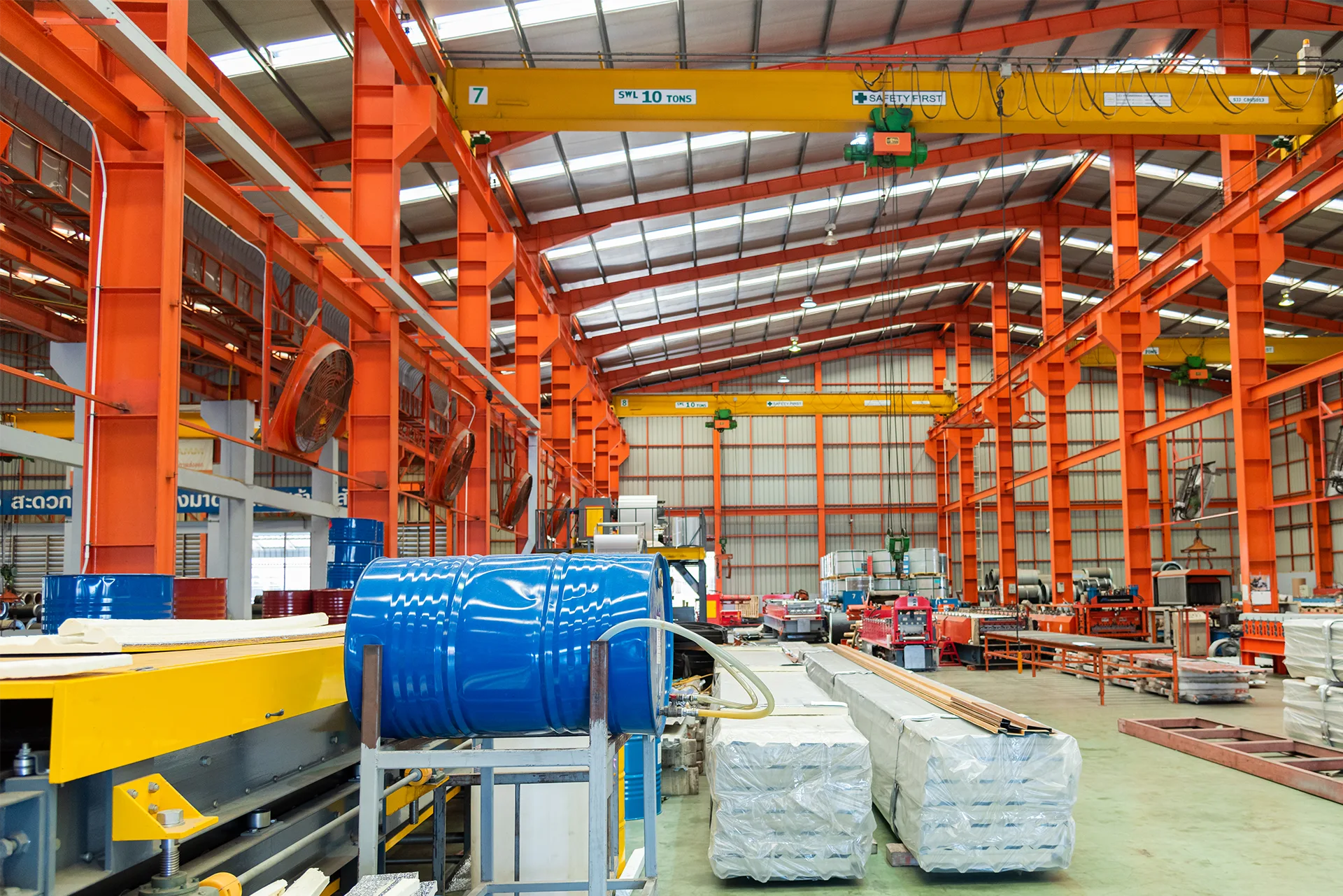
For warehouses storing flammable gases/vapors (e.g., chemical warehouses), use ATEX Zone 1/2 or IECEx Zone 1/2 certified lights; for those with combustible dust (e.g., powder storage), choose Zone 21/22 rated models to ensure proper protection.
Inspect light brackets and fasteners monthly to ensure they are firm—avoid installing lights in areas with frequent forklift traffic; use impact-resistant (IK08 or higher) models to prevent damage from falling goods or collisions.
Wipe light lenses and housings weekly to remove accumulated dust, packaging debris, or goods residues—these not only block light but also increase the risk of overheating when covering heat sinks.
Connect fixed explosion-proof lights to smoke detectors or gas detectors. When hazardous signals are detected, the lights should automatically cut off power to avoid ignition, and emergency explosion-proof lights should activate immediately.
Do not connect multiple explosion-proof lights to a single power socket arbitrarily. Check the circuit load regularly to prevent overheating caused by excessive current, which may damage the lights’ internal protective components.