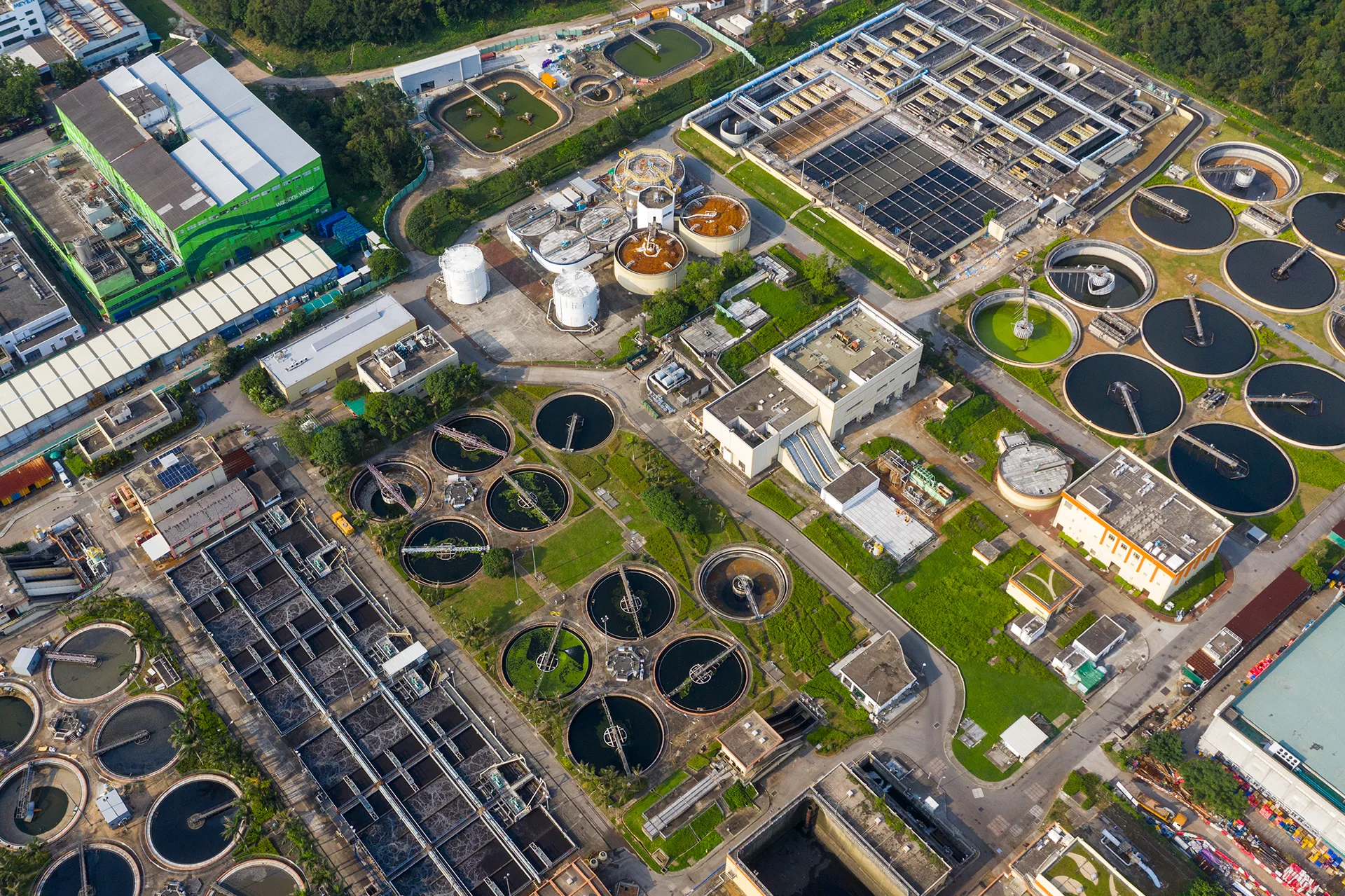
Wastewater treatment plants (WWTPs) handle organic waste that decomposes to produce flammable gases—methane is the most common, released during anaerobic digestion processes. Sewage pits, digesters, and sludge storage areas often have high concentrations of methane, which forms explosive mixtures with air at 5-15%. Ordinary lights are not designed to resist moisture or corrosive chemicals in wastewater, leading to rust and exposed electrical parts that generate sparks. Additionally, hydrogen sulfide (a toxic, flammable gas) in wastewater can corrode standard lighting components, increasing ignition risks.
WWTP operations require reliable lighting for pump maintenance, sludge handling, tank inspections, and safety patrols. Wet, corrosive environments and flammable gas presence make explosion-proof lights essential. These lights have corrosion-resistant housings (e.g., 316L stainless steel) and waterproof seals (IP67 or higher) to withstand sewage and chemicals. Their explosion-proof enclosures prevent sparks from igniting methane, and intrinsic safety designs limit electrical energy to non-ignitable levels, protecting staff and equipment.
Check fixtures for rust, pitting, or discoloration biweekly—focus on areas near digesters and sludge tanks. Use anti-corrosion spray (approved for explosion-proof equipment) to protect metal surfaces.
Inspect gaskets and cable entries weekly for damage; replace worn parts to prevent water intrusion, which causes electrical short circuits.
Connect fixed explosion-proof lights to gas detection systems—ensure lights automatically shut down if methane concentrations exceed safe limits (10% of lower explosive limit).
Wipe fixtures with a damp cloth weekly to remove sewage residue; avoid harsh chemicals that damage seals or housings.
Use lights certified for gas and moisture hazards (e.g., ATEX Zone 1, IECEx Ex d IIB) to match WWTP hazard zones.