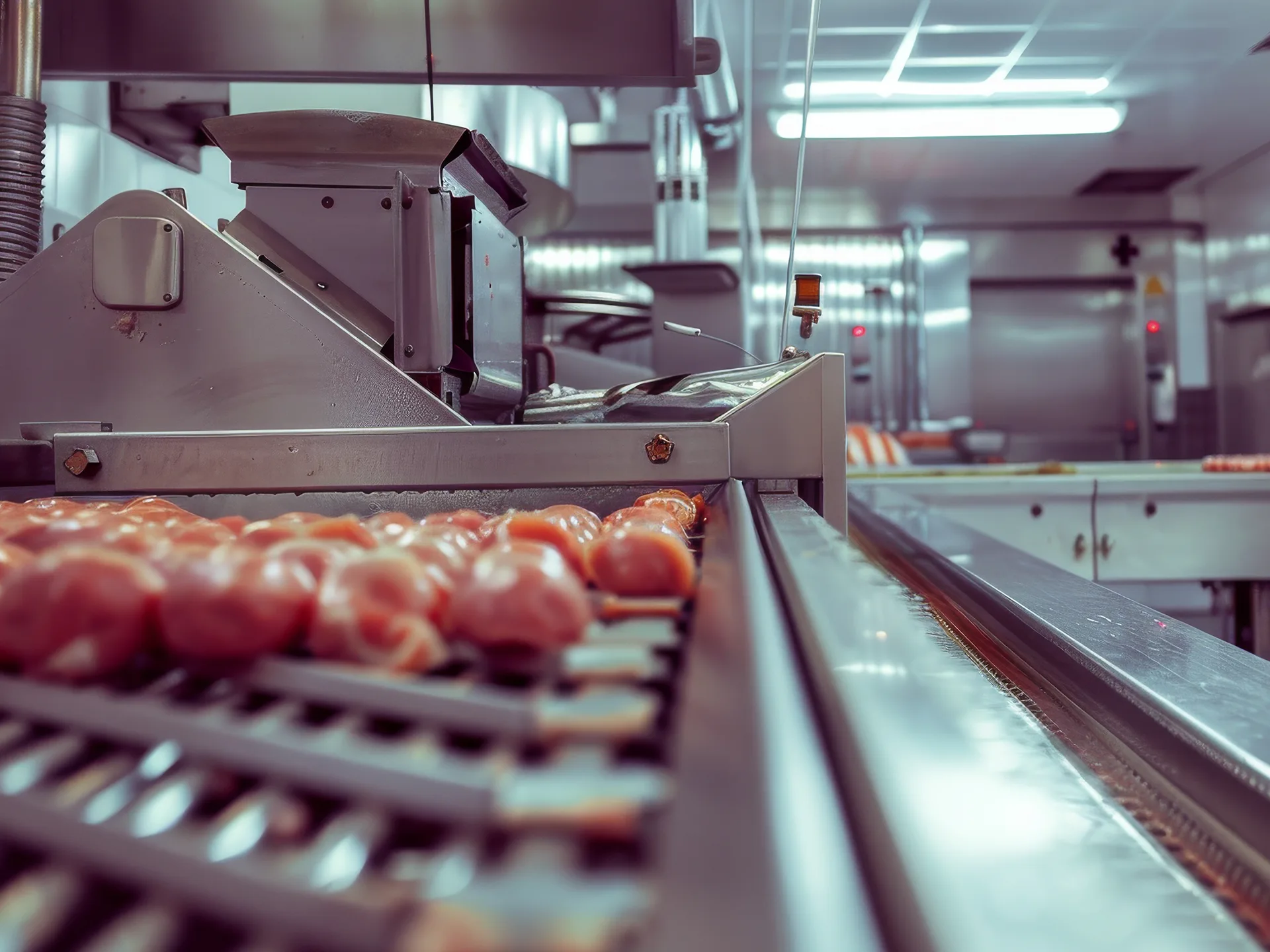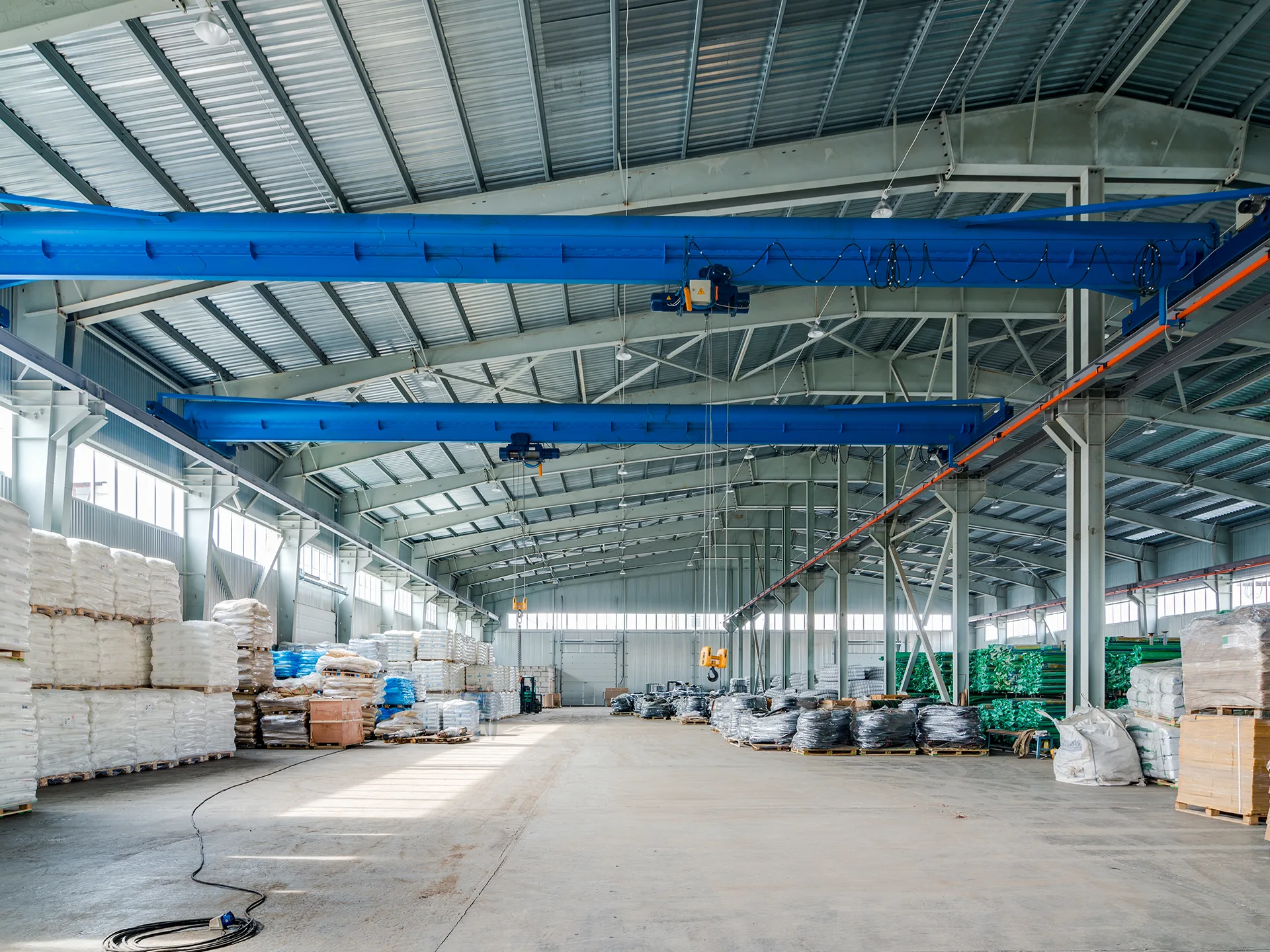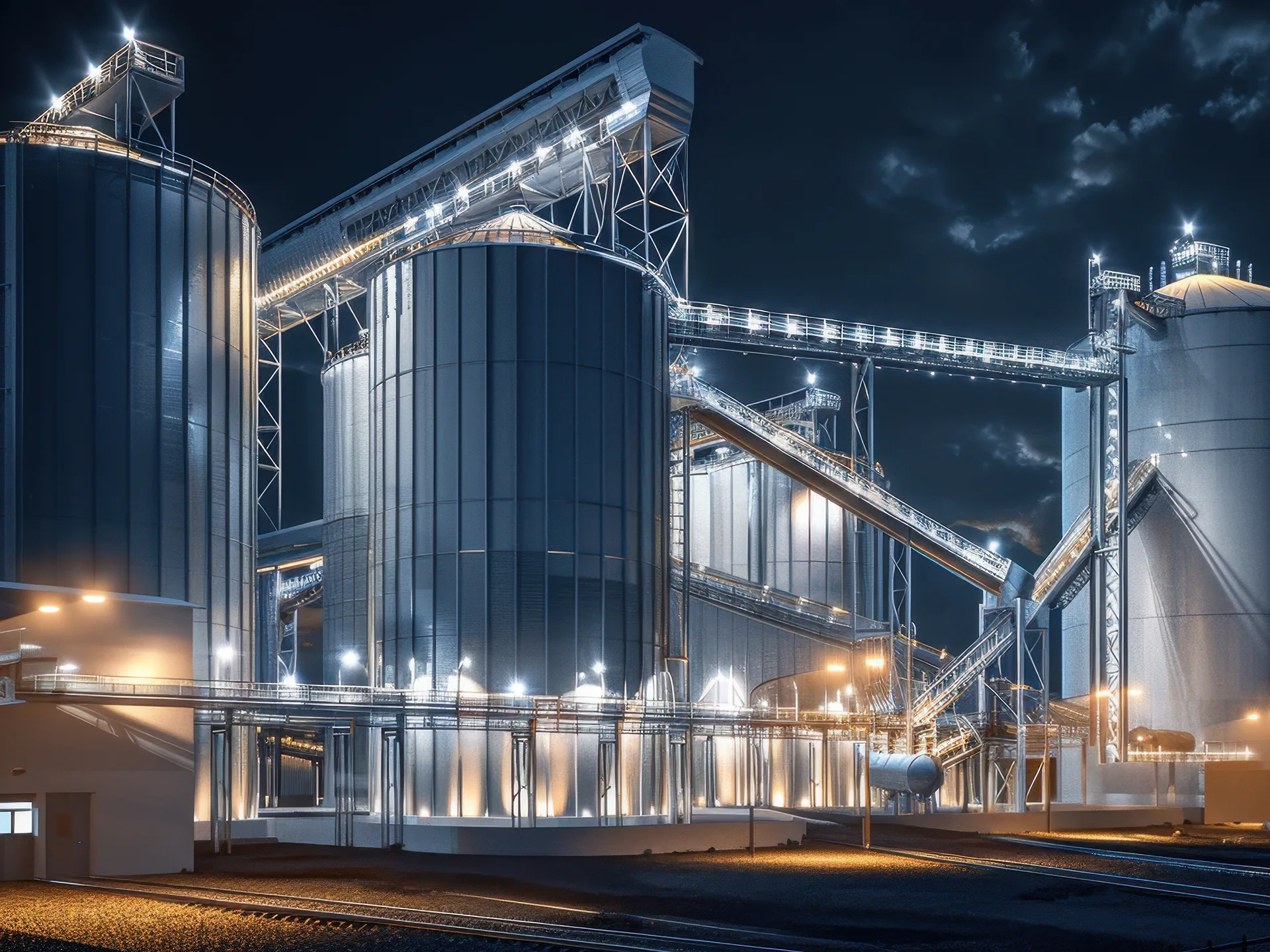
Grain processing facilities (including mills, silos, and storage plants) generate massive amounts of combustible grain dust—wheat, corn, rice, and barley dust are highly flammable when suspended in air. Even a small concentration (as low as 40-50 grams per cubic meter) can form an explosive mixture. Ordinary lighting fixtures may produce electrical sparks from loose wiring or overheating components, and friction between dust and fixture surfaces can also ignite dust clouds. Additionally, grain dust accumulates easily on light housings and heat sinks, increasing fire and explosion risks.
Grain processing relies on clear lighting for tasks like sorting, grinding, conveying, and inventory checks. Poor visibility leads to inefficient operations and missed contamination issues. Explosion-proof lights for grain facilities feature dust-tight enclosures (IP6X rating) to prevent dust intrusion, and their flameproof designs contain any internal ignition to avoid triggering dust explosions. They also have smooth surfaces that minimize dust buildup and efficient heat dissipation to reduce fire risks, ensuring safe and continuous production.
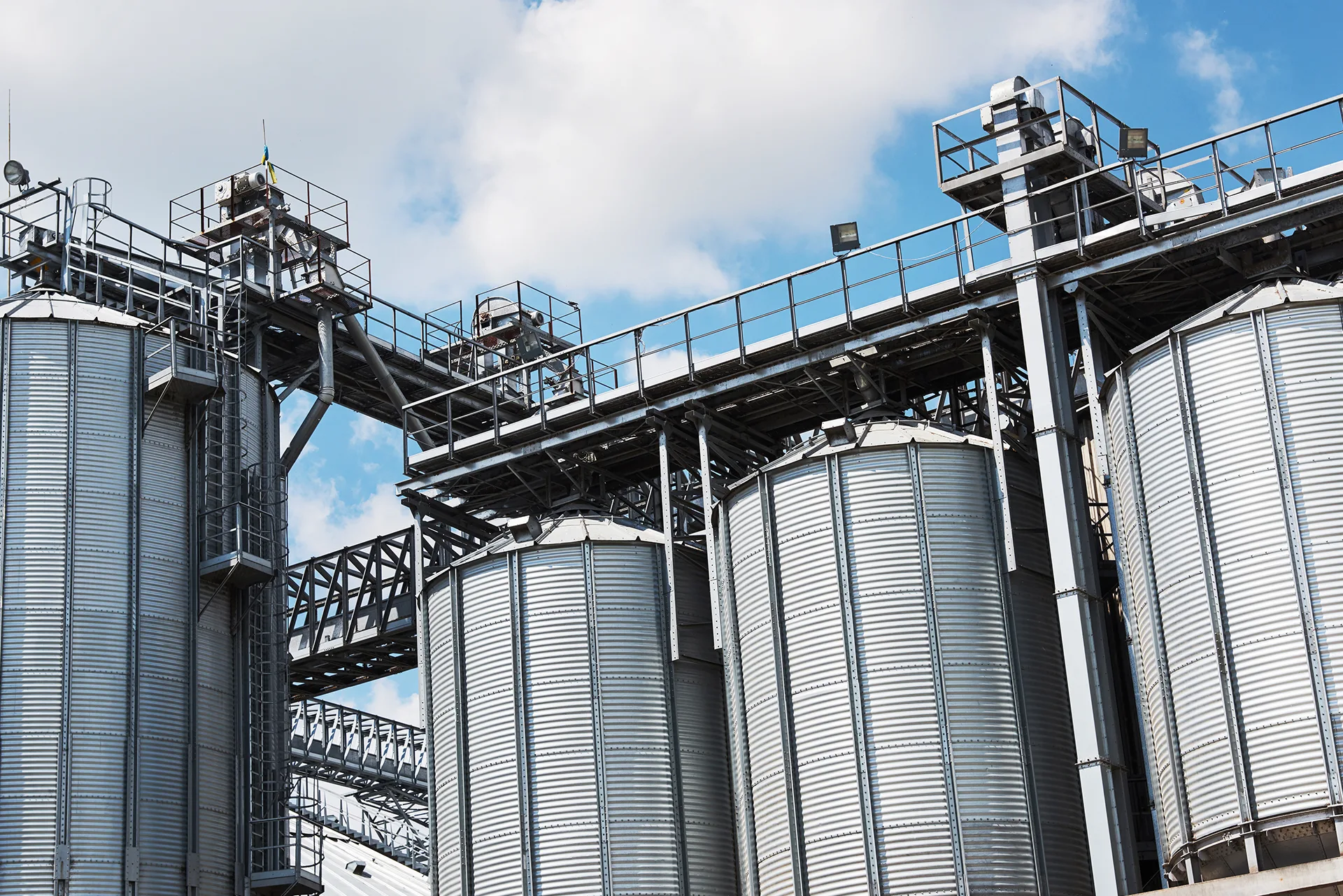
Use a soft-bristled brush or low-pressure compressed air to remove dust from light lenses and housings daily—accumulated dust blocks light and causes overheating.
Inspect rubber seals around fixtures weekly for cracks or brittleness; replace damaged seals immediately to prevent dust from entering internal components.
Install lights certified for dust hazard zones (e.g., ATEX Zone 21/22, IECEx Zone 21/22) based on whether dust is present occasionally (Zone 21) or rarely (Zone 22).
Mount lights away from moving equipment (e.g., conveyor belts, bucket elevators) and use impact-resistant models to prevent damage from falling grain or tools.
Check fixture surface temperature weekly—abnormal warmth indicates dust clogging or internal faults that could ignite dust.