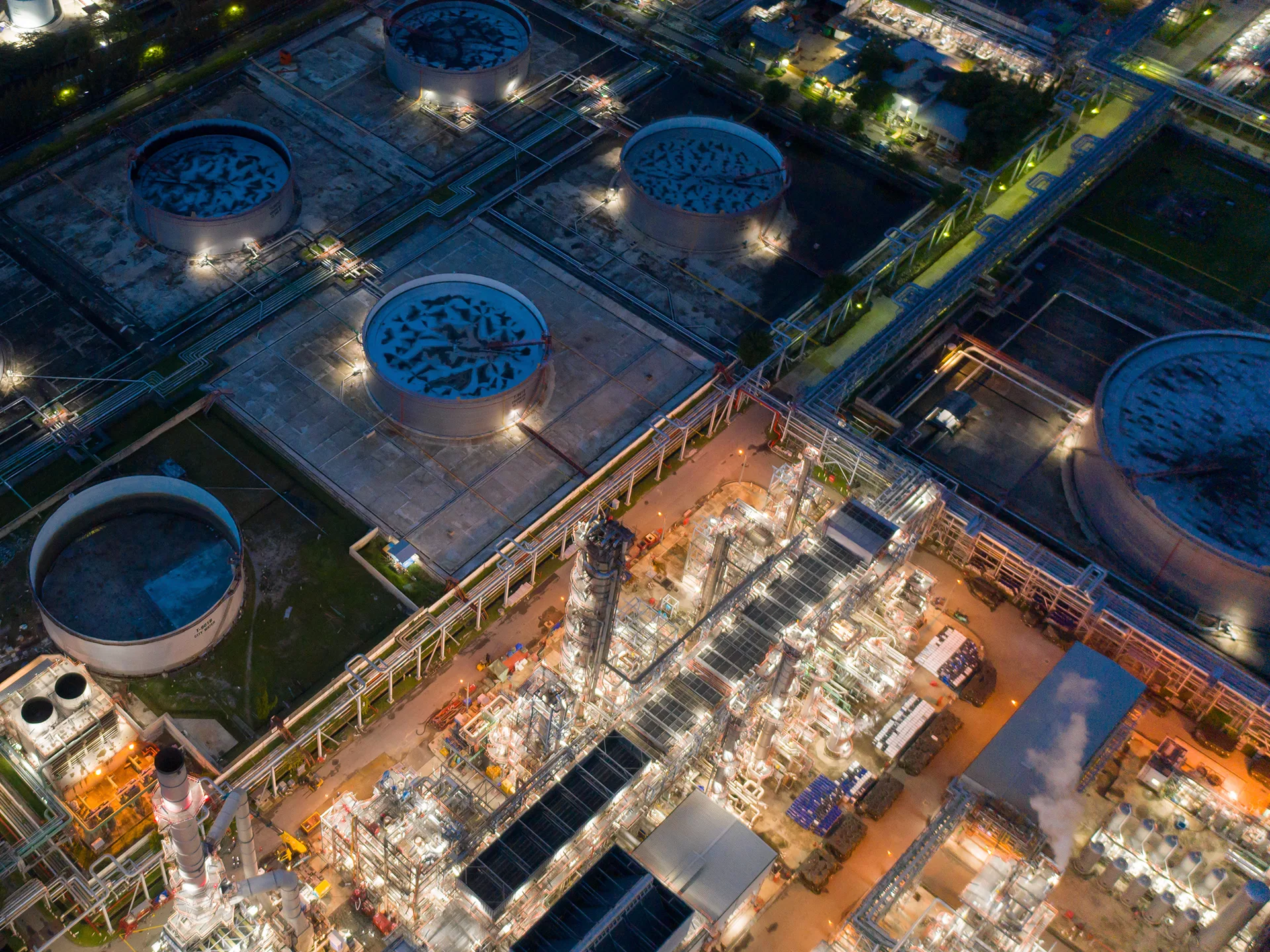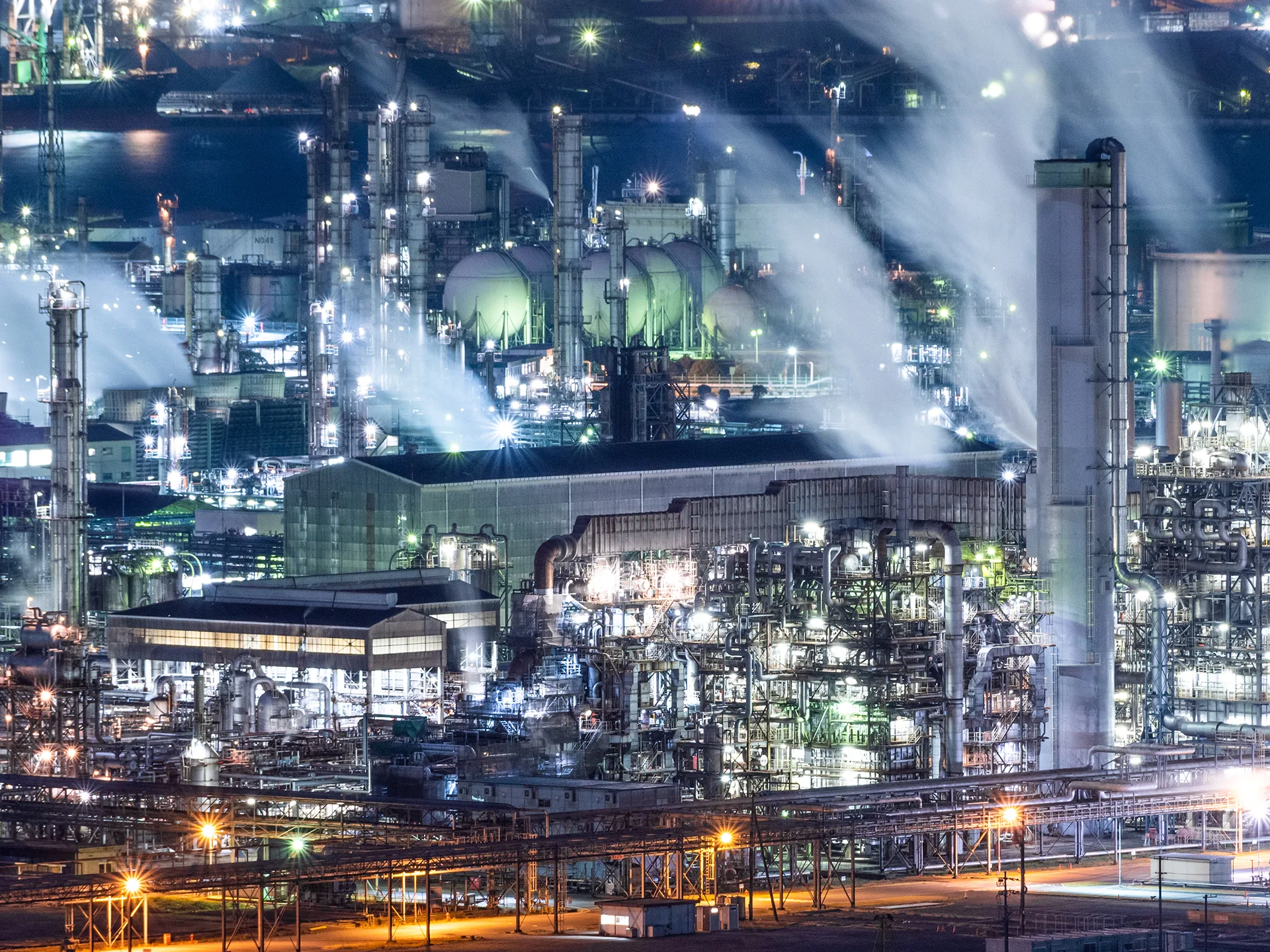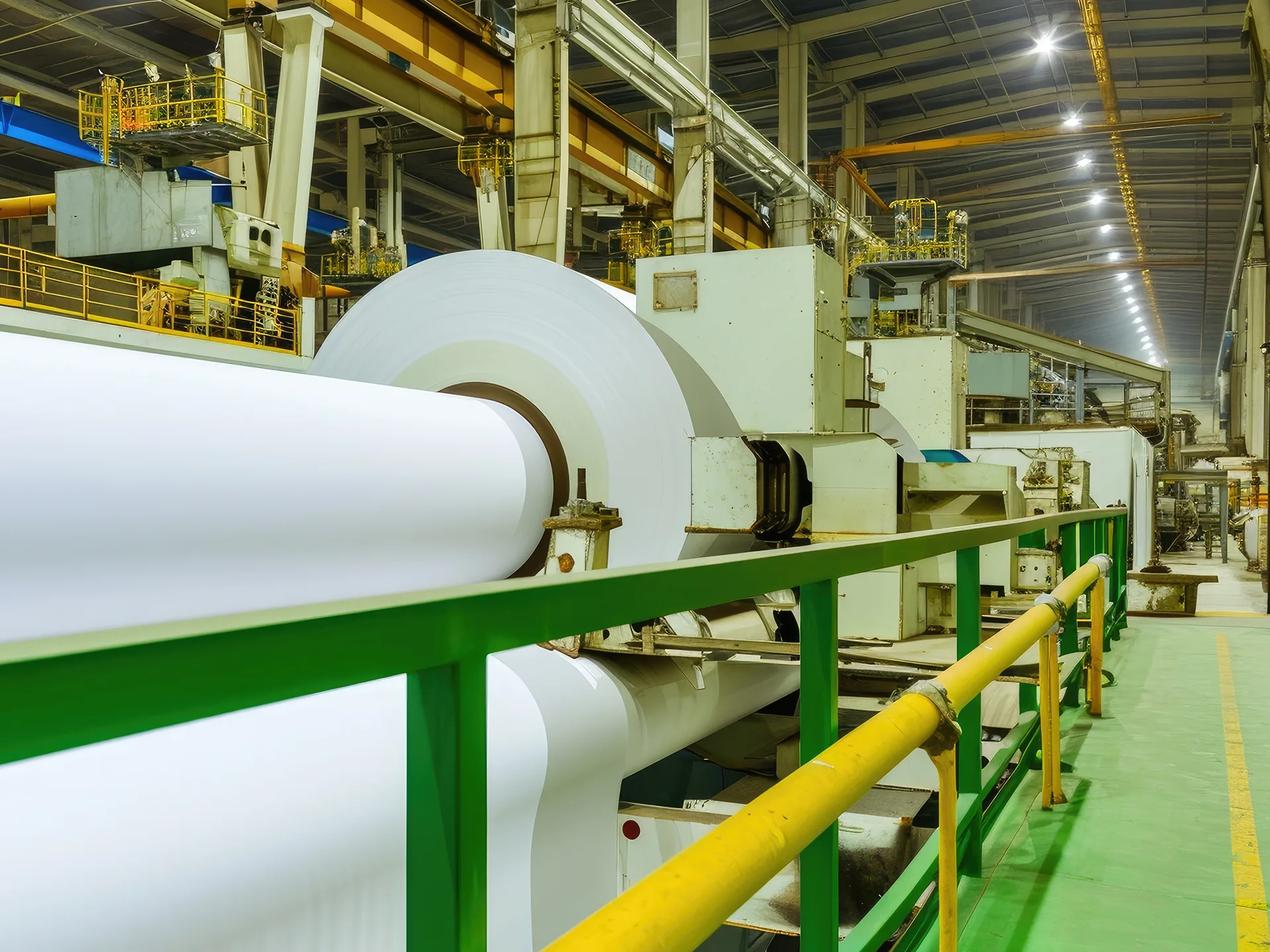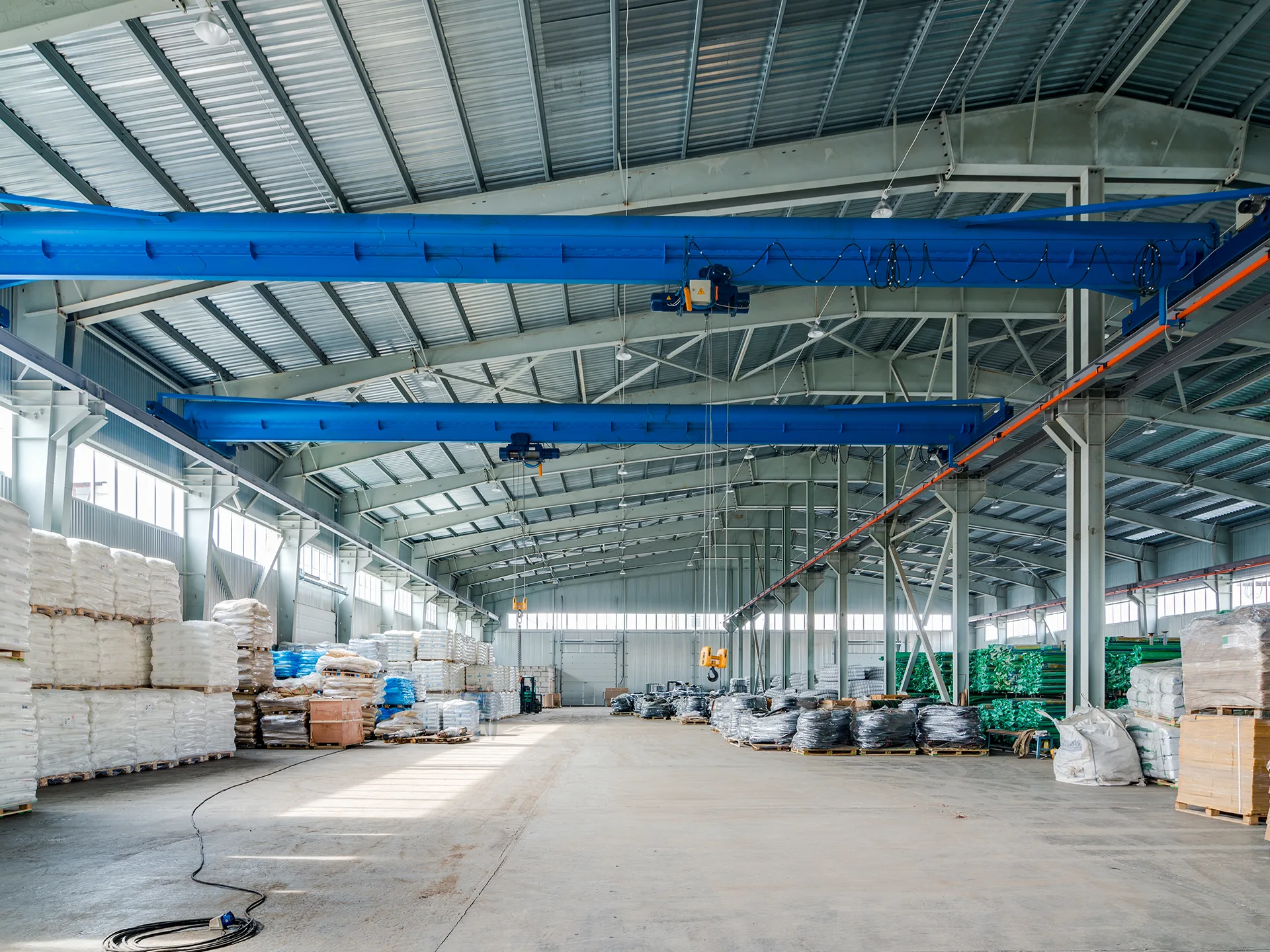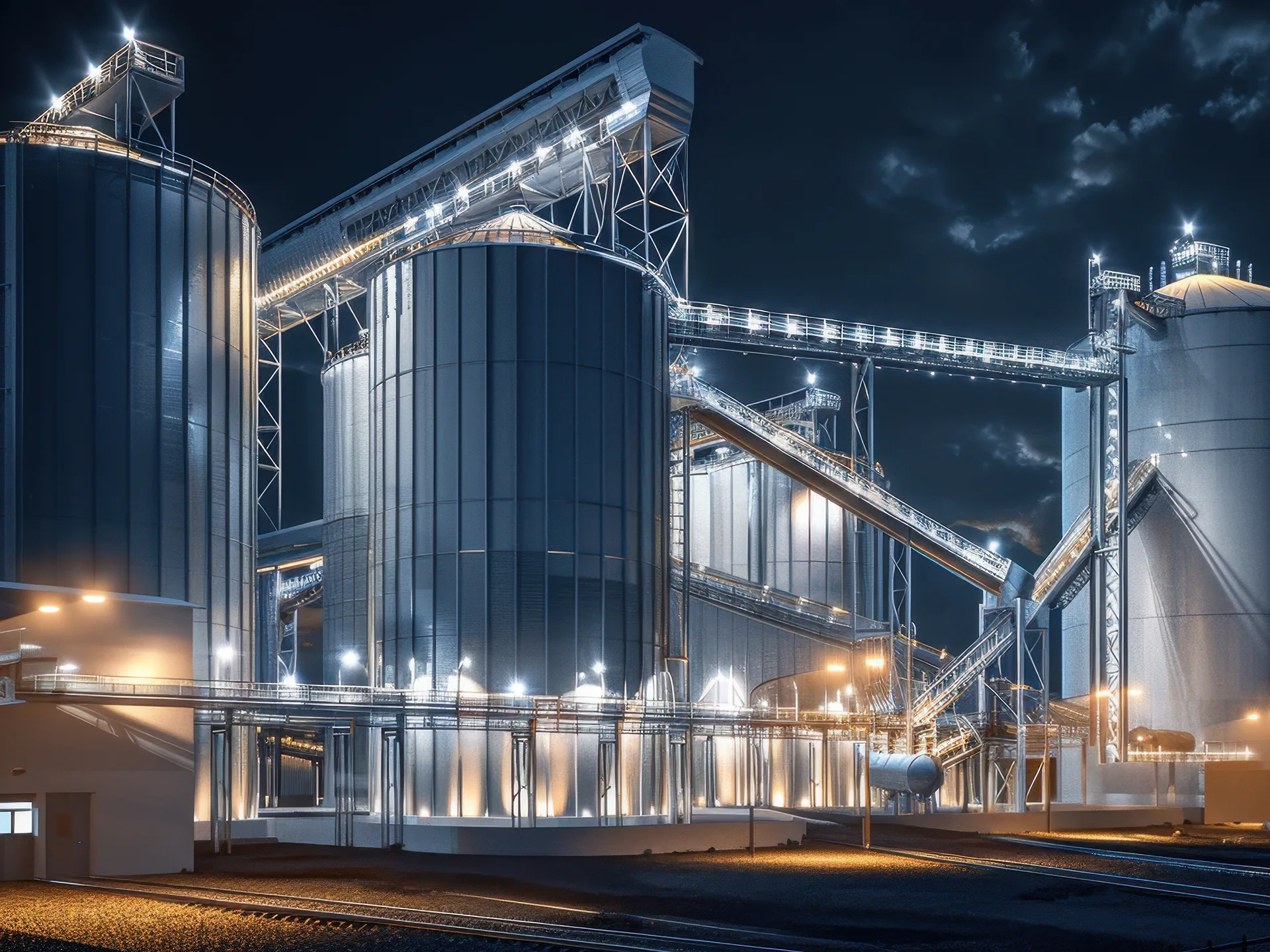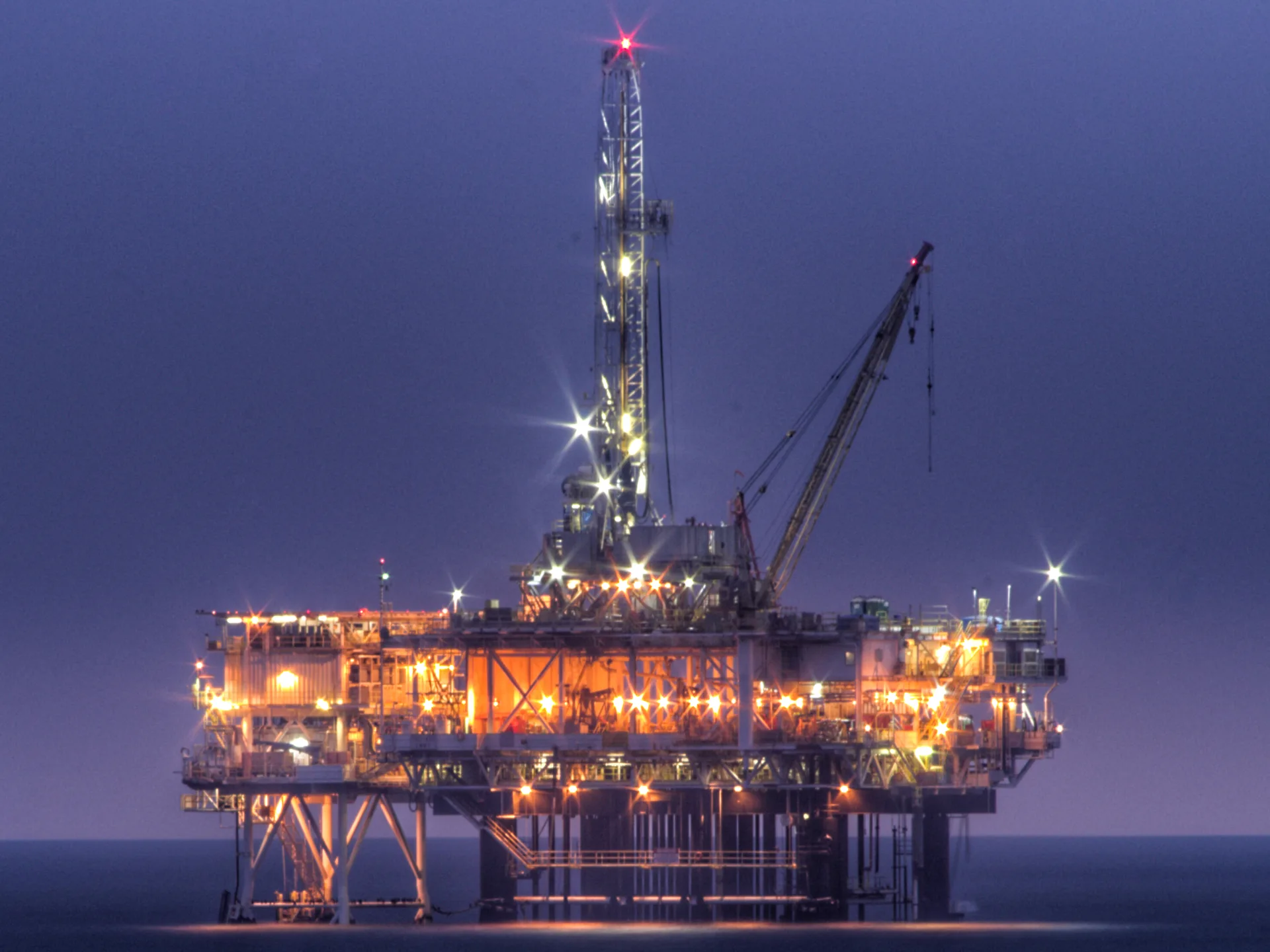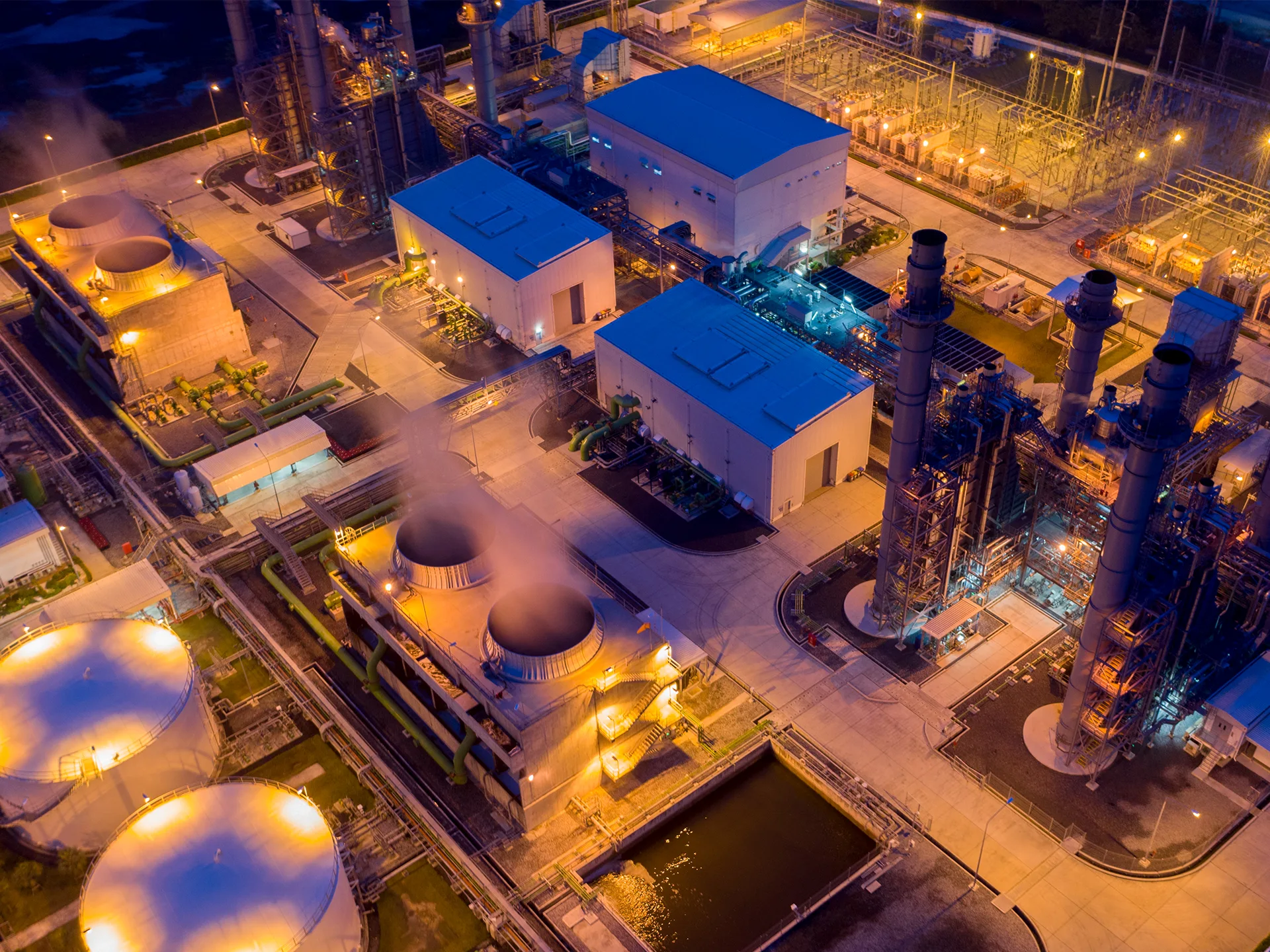
Refining and petrochemical facilities handle large volumes of flammable substances—including crude oil, gasoline, diesel, and chemical intermediates—throughout production, storage, and transportation processes. These substances easily vaporise or form combustible dust clouds when exposed to air. Also, equipment operations (such as pumps, compressors, and pipelines) may generate sparks, static electricity, or high temperatures. Any ordinary lighting fixture with potential ignition sources (like exposed electrical contacts, overheating bulbs, or faulty wiring) could trigger an explosion or fire when in contact with these hazardous atmospheres.
Lighting is critical for petrochemical workflows: staff need clear visibility for equipment inspection, pipeline maintenance, operation monitoring, and emergency response. Explosion-proof lights are engineered to eliminate ignition risks—they feature sealed enclosures to prevent flammable gases/dust from entering the fixture, explosion-proof housings to contain internal sparks or explosions, and heat-dissipating structures to avoid overheating. This ensures reliable illumination without triggering hazardous incidents, directly safeguarding personnel safety and production continuity.
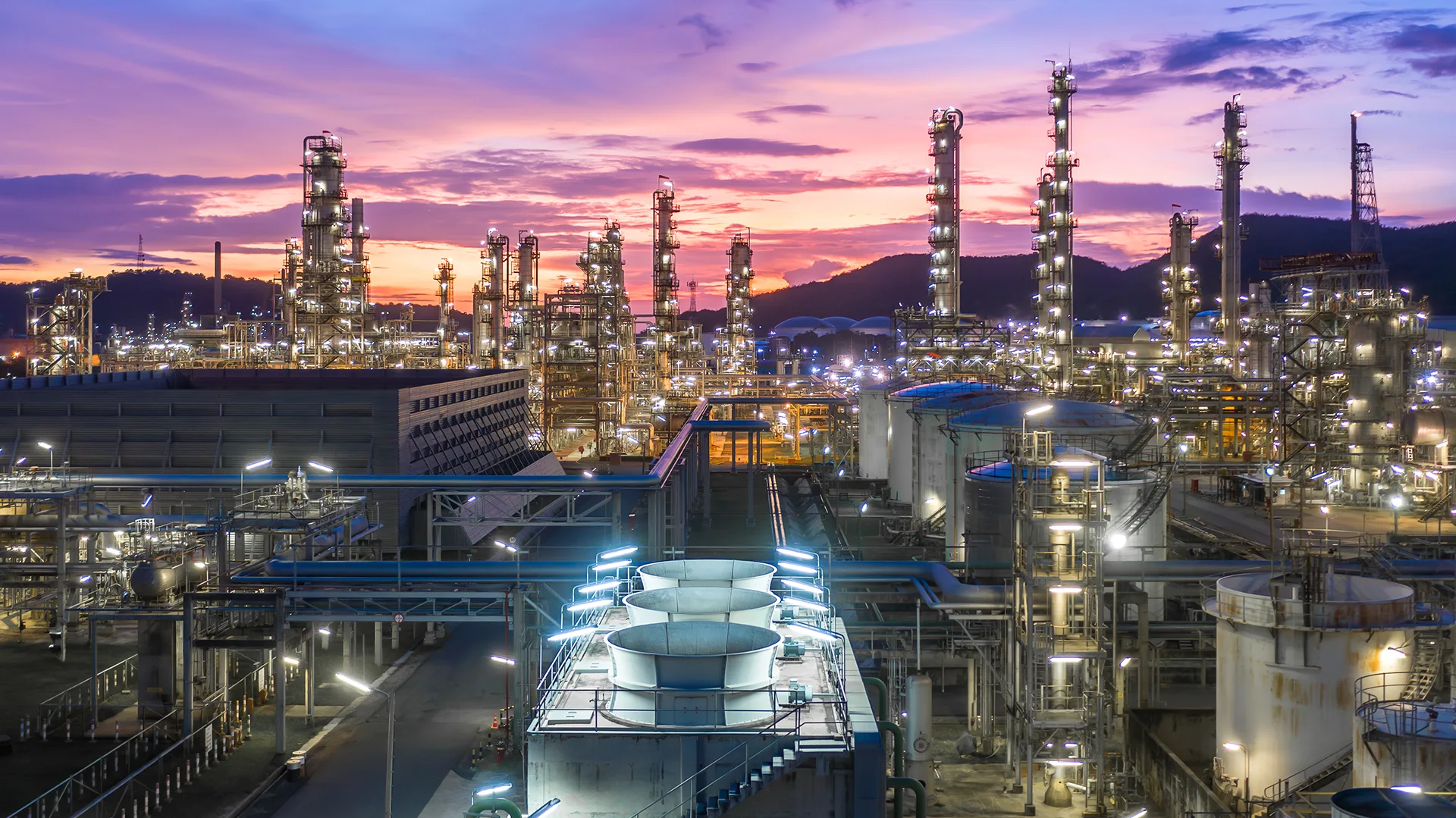
Only use lights certified for petrochemical environments (e.g., ATEX Zone 1/2, IECEx Zone 1/2) to match the facility’s hazardous area classification.
Inspect the fixture’s rubber gaskets and sealed joints weekly—replace worn or damaged parts immediately to prevent gas/dust intrusion.
Ensure the lighting system is properly grounded to avoid static buildup, especially in areas handling high-volatility fuels.
Choose waterproof (IP66 or higher) models for outdoor storage tanks or indoor areas prone to liquid splashes; wipe off oil stains or chemical residues on fixtures promptly.
Test backup explosion-proof emergency lights monthly to ensure they activate within 10 seconds of a power outage, supporting safe evacuation and emergency shutdowns.