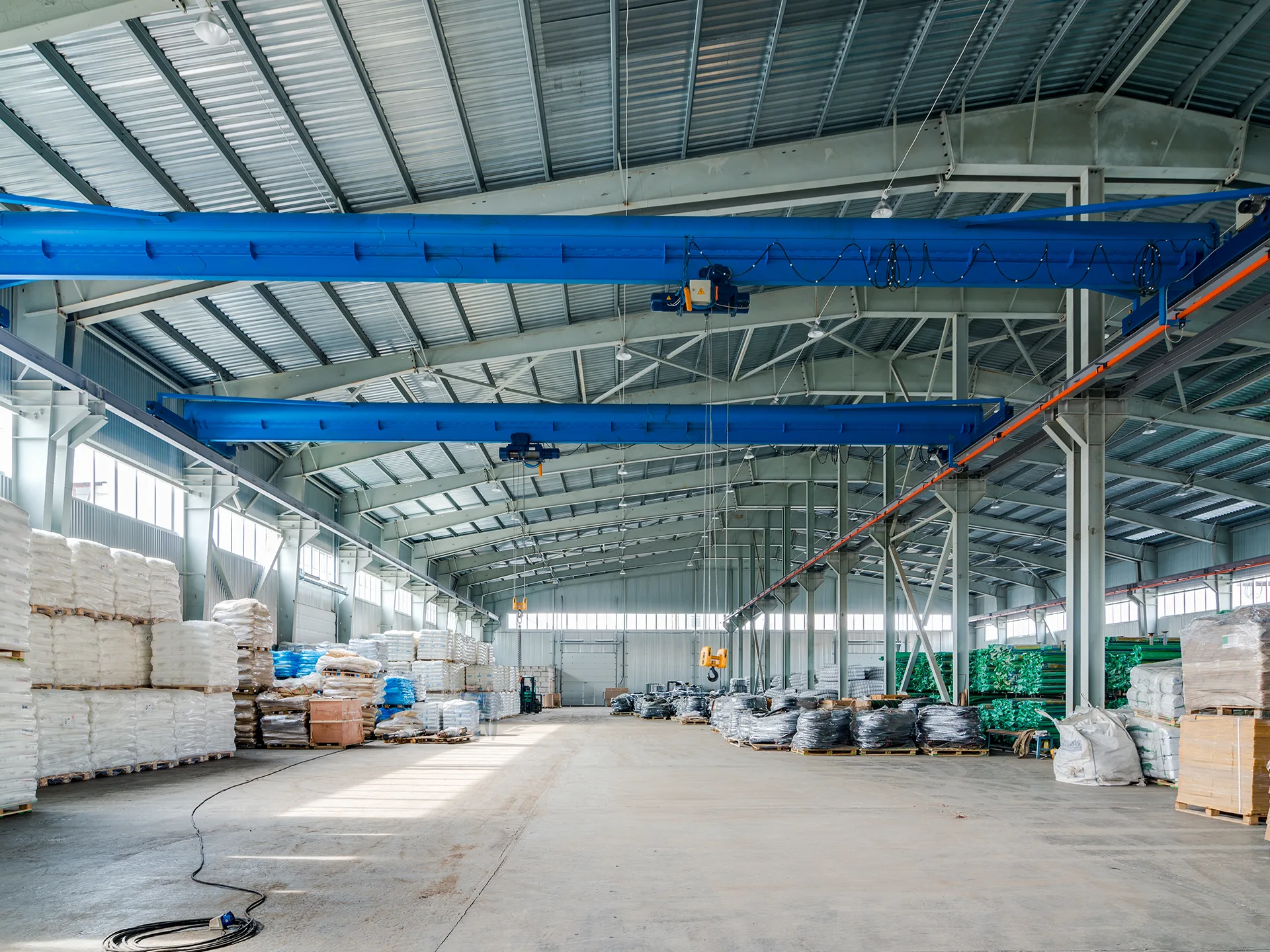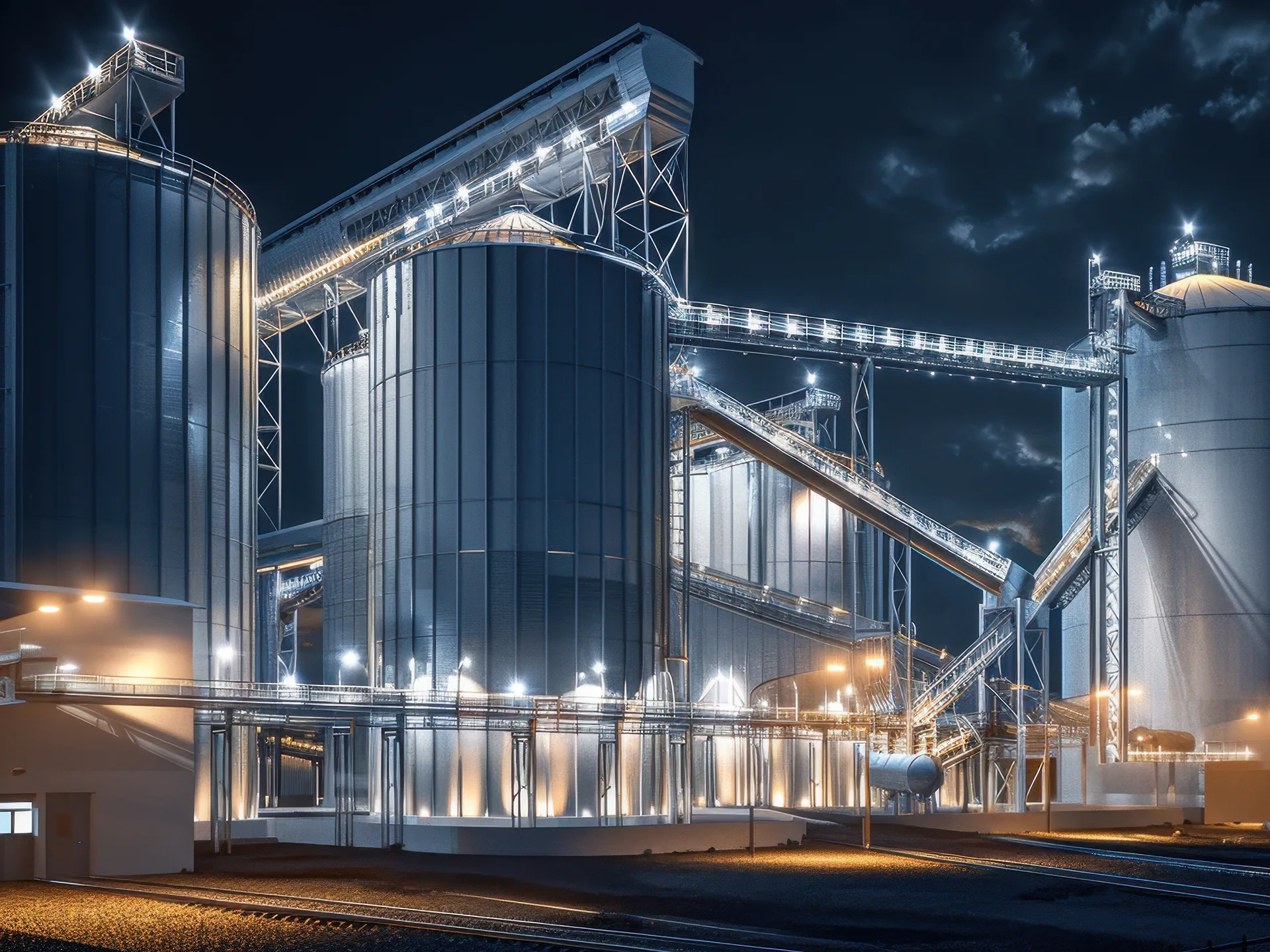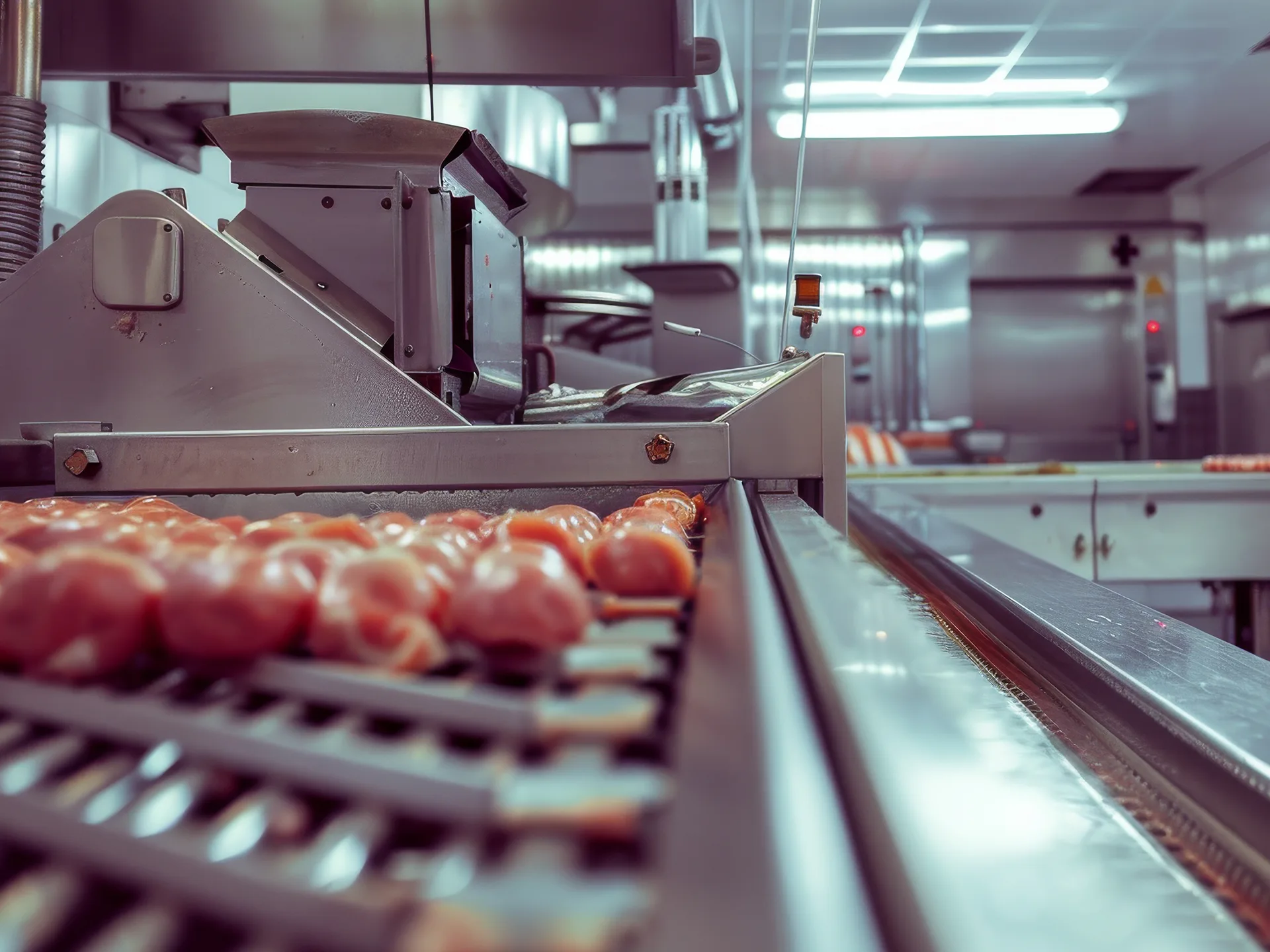
Food processing facilities (including bakeries, snack factories, and oil processing plants) generate combustible dust (flour, sugar, cocoa, and spice dust) and flammable vapors (from cooking oils, ethanol in fermentation, or solvents for cleaning). Flour dust, for example, can ignite with a small spark and cause powerful explosions. Ordinary lighting fixtures may have crevices that trap food dust and bacteria, and their electrical components can produce sparks. Additionally, frequent washdowns with water and chemicals corrode standard lights, leading to housing failures and ignition risks.
Food processing requires bright, hygienic lighting for ingredient preparation, production line monitoring, and quality inspection. Explosion-proof lights for food facilities are designed with smooth, easy-to-clean surfaces (to prevent food residue buildup) and IP69K waterproof ratings (for high-pressure washdowns). They eliminate ignition sources with sealed enclosures and intrinsic safety designs, while corrosion-resistant materials (e.g., 316L stainless steel) withstand cleaning chemicals. These lights also comply with food safety standards (e.g., FDA, EHEDG) to avoid contamination.
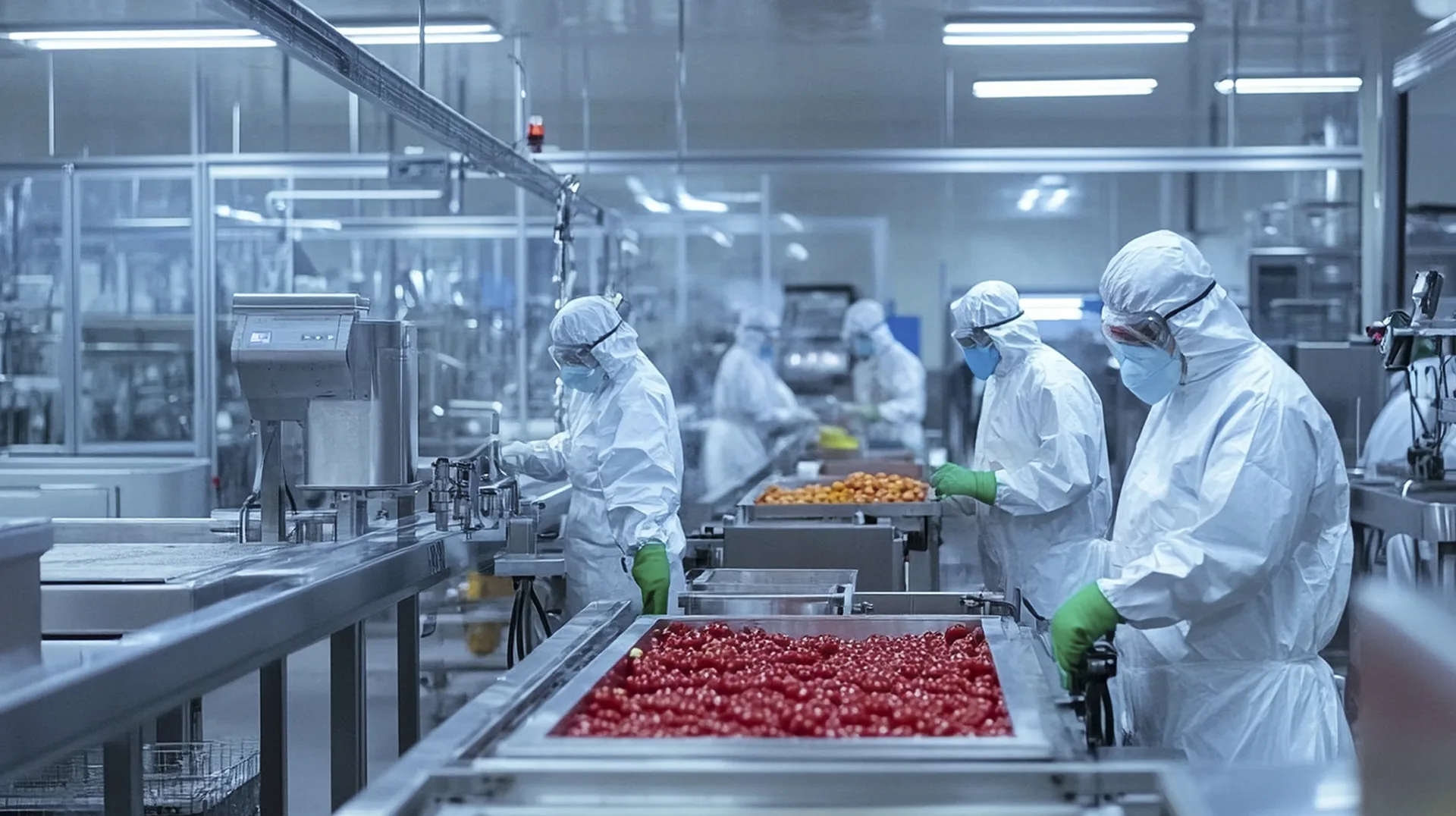
Clean light fixtures daily with food-safe, non-abrasive cleaners—use high-pressure hoses (if IP69K rated) to remove food residue; avoid leaving dust or grease on surfaces.
Inspect washdown-resistant seals weekly for wear or damage; replace immediately to prevent water and chemical intrusion into electrical parts.
In dry food areas (e.g., flour mills), use dust-tight explosion-proof lights and clean dust from heat sinks daily to prevent overheating.
Ensure lights are resistant to cleaning chemicals (e.g., sanitizers, degreasers) used in the facility—verify compatibility with the manufacturer before use.
Use lights certified for both explosion protection (e.g., ATEX Zone 22, IECEx) and food safety (e.g., FDA compliant) to meet industry regulations.