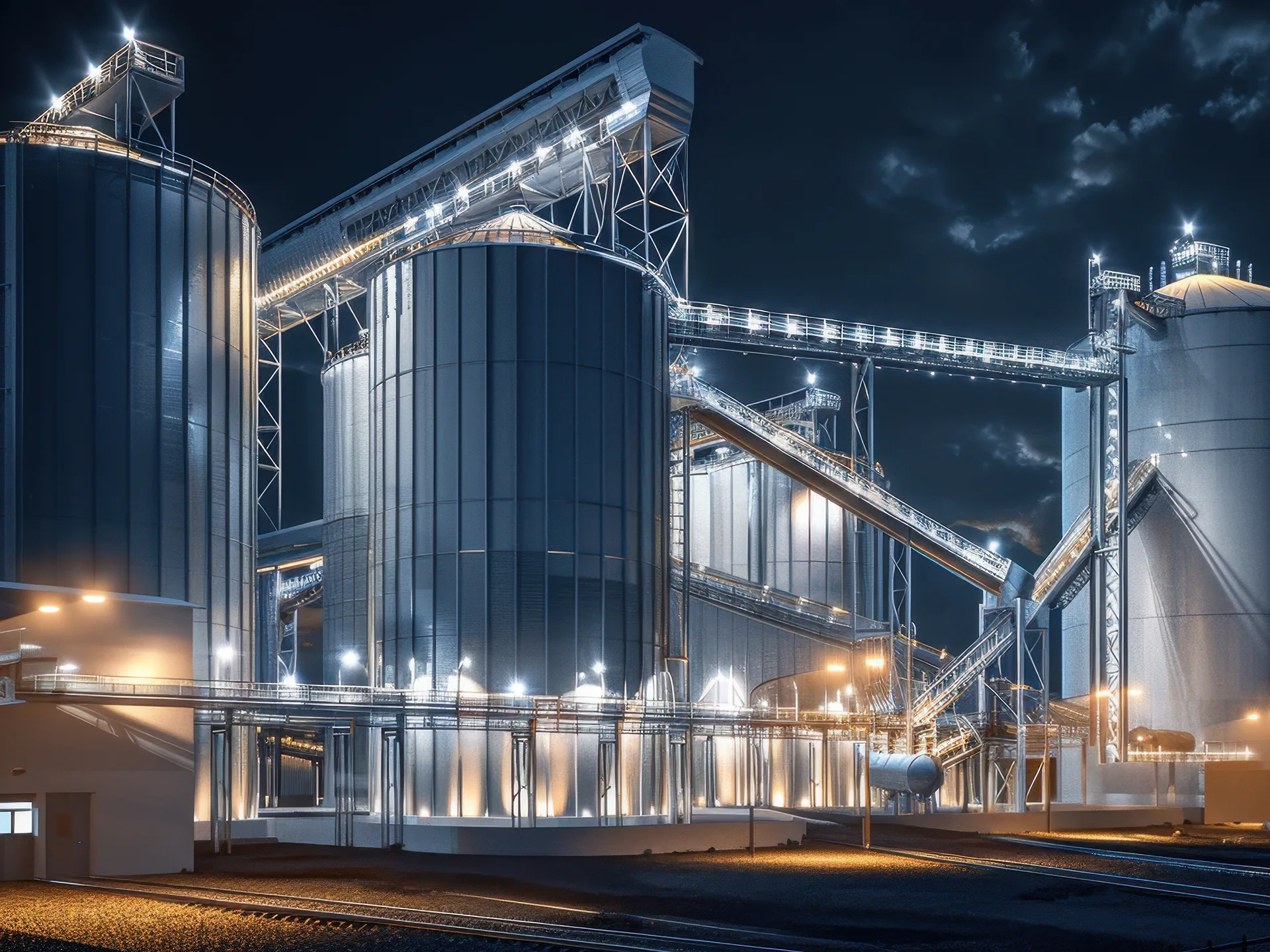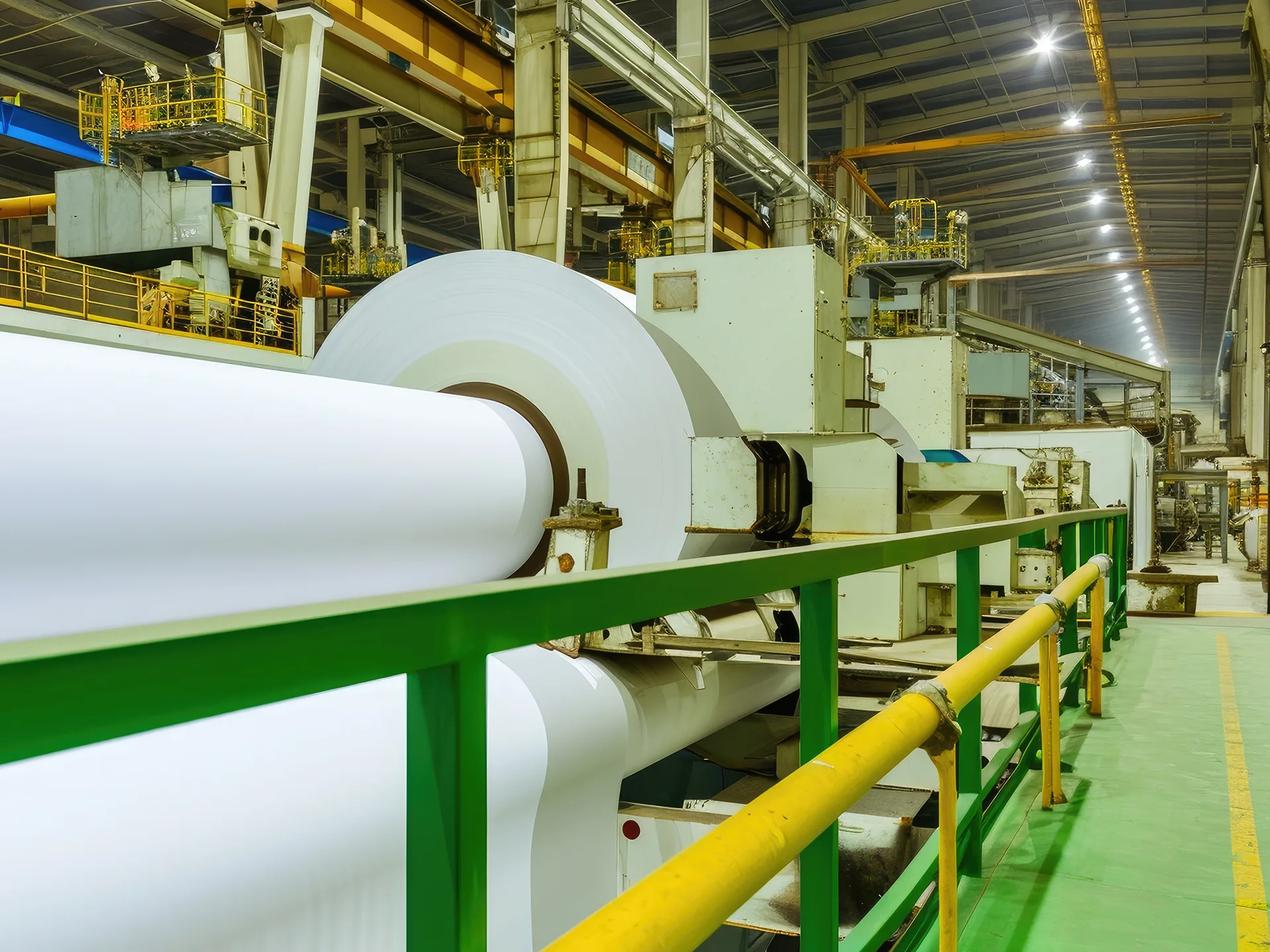
Pulp and paper mills face dual explosion risks: combustible wood dust from pulp processing and flammable solvents (e.g., alcohols and coating solvents) used in paper production. Wood dust is highly explosive when suspended, and solvent vapors can form explosive mixtures with air. Ordinary lighting fixtures may produce electrical arcs from faulty ballasts or overheat due to dust accumulation. Additionally, the mill’s humid, corrosive environment (from steam and chemicals like sulfur dioxide) degrades standard light housings, exposing electrical components and increasing ignition hazards.
Pulp and paper operations need consistent lighting for pulp mixing, paper rolling, quality control, and machine maintenance. Explosion-proof lights for these facilities are engineered with dust-tight and waterproof enclosures to resist wood dust, steam, and chemicals. They feature flameproof designs to contain internal explosions and corrosion-resistant materials (e.g., fiberglass or coated steel) to withstand harsh mill conditions. Reliable illumination reduces equipment downtime and prevents accidents caused by poor visibility.
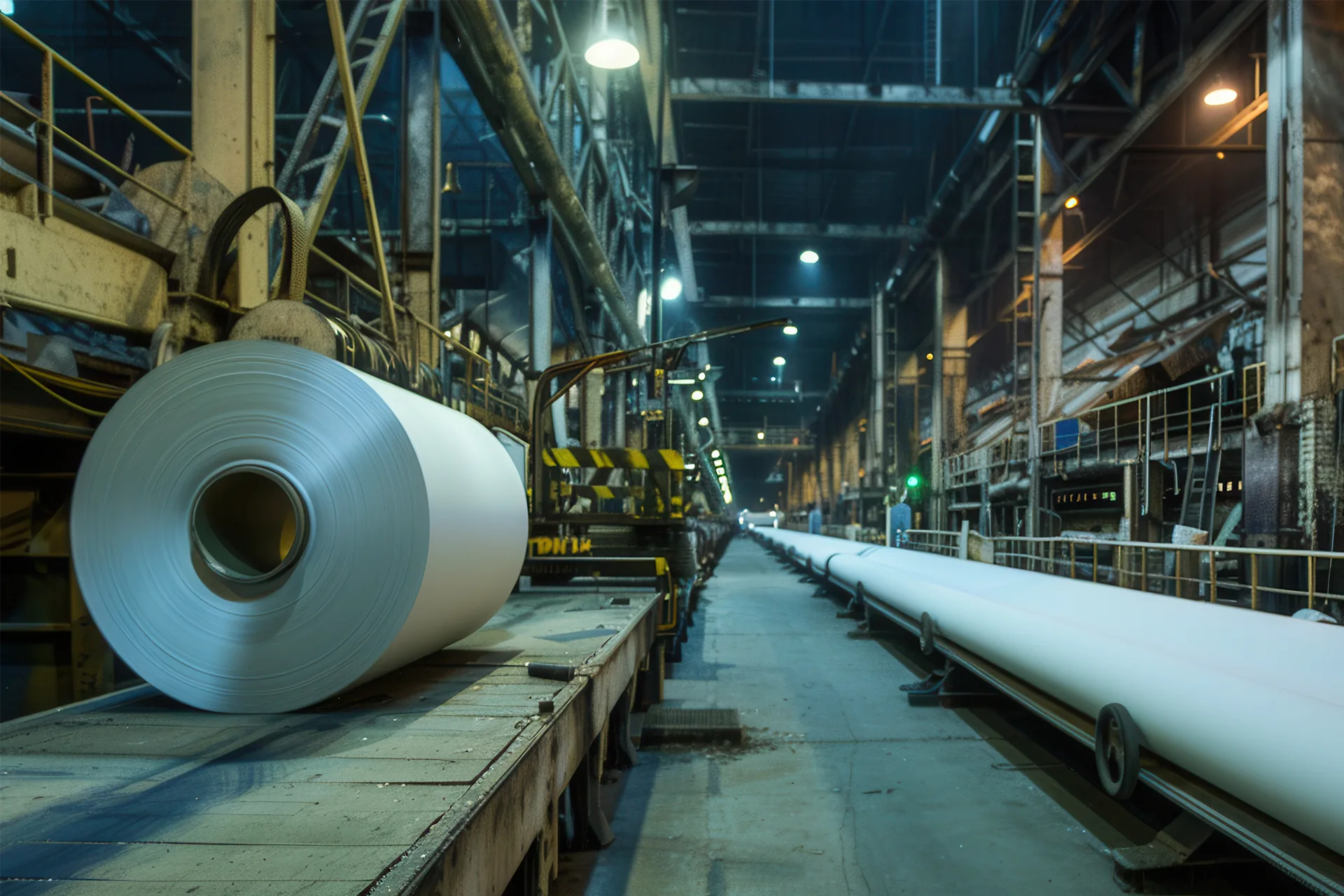
Use low-pressure water or compressed air to clean light fixtures weekly—removing wood dust and paper pulp residue that block light and cause overheating.
Inspect fixtures for rust or water intrusion biweekly, especially near steam pipes and pulp vats. Replace damaged housings or seals promptly.
Avoid installing lights near high-vibration equipment (e.g., paper rollers) and check for abnormal heat—vibration loosens components, and overheating risks ignition.
Ensure lights use solvent-resistant gaskets (e.g., Viton) in coating and printing areas; standard rubber gaskets degrade quickly when exposed to solvents.
Use ATEX Zone 1/2 (for solvent areas) and Zone 21/22 (for dust areas) certified lights, and clearly mark fixtures with their applicable zones.