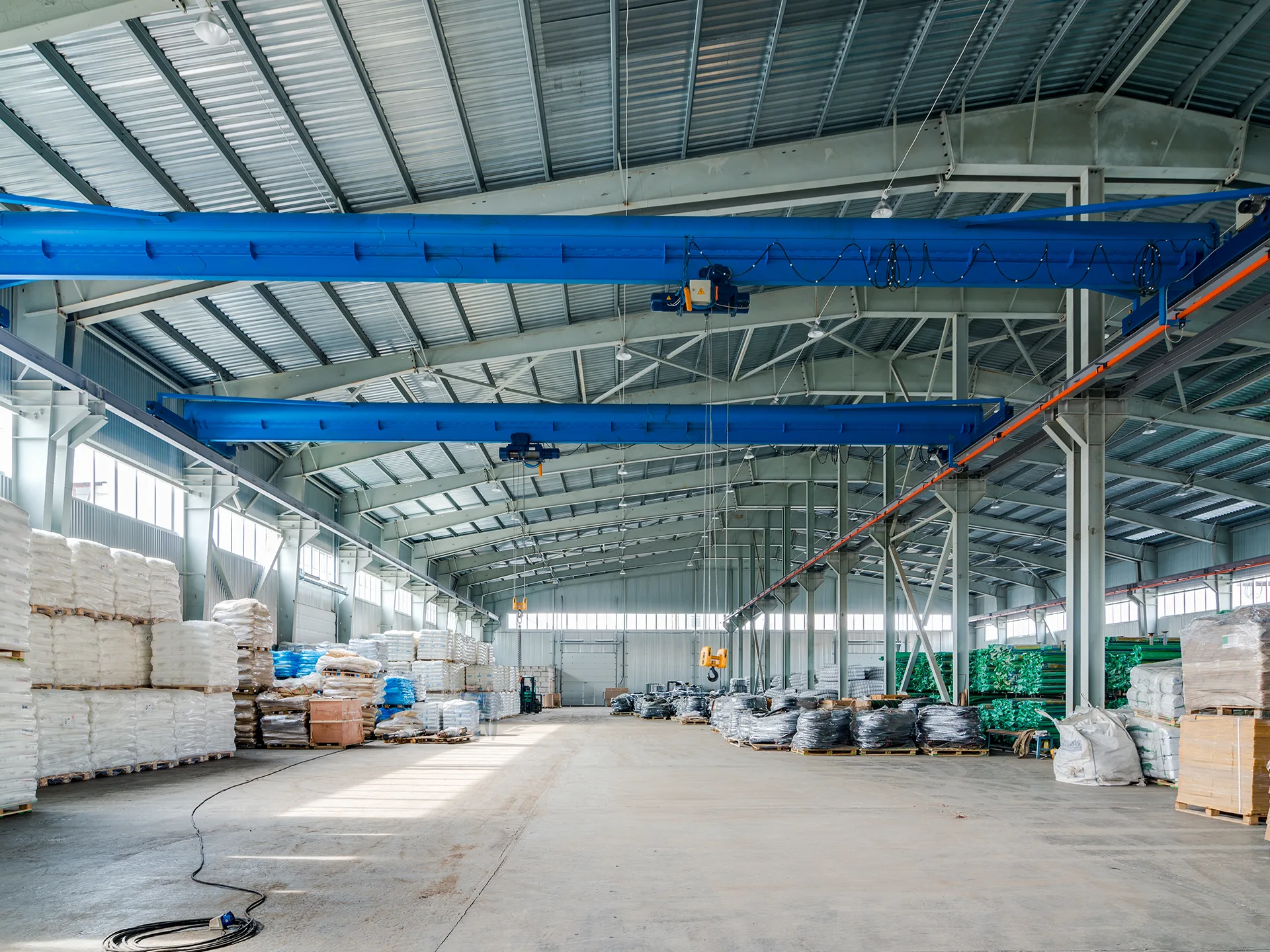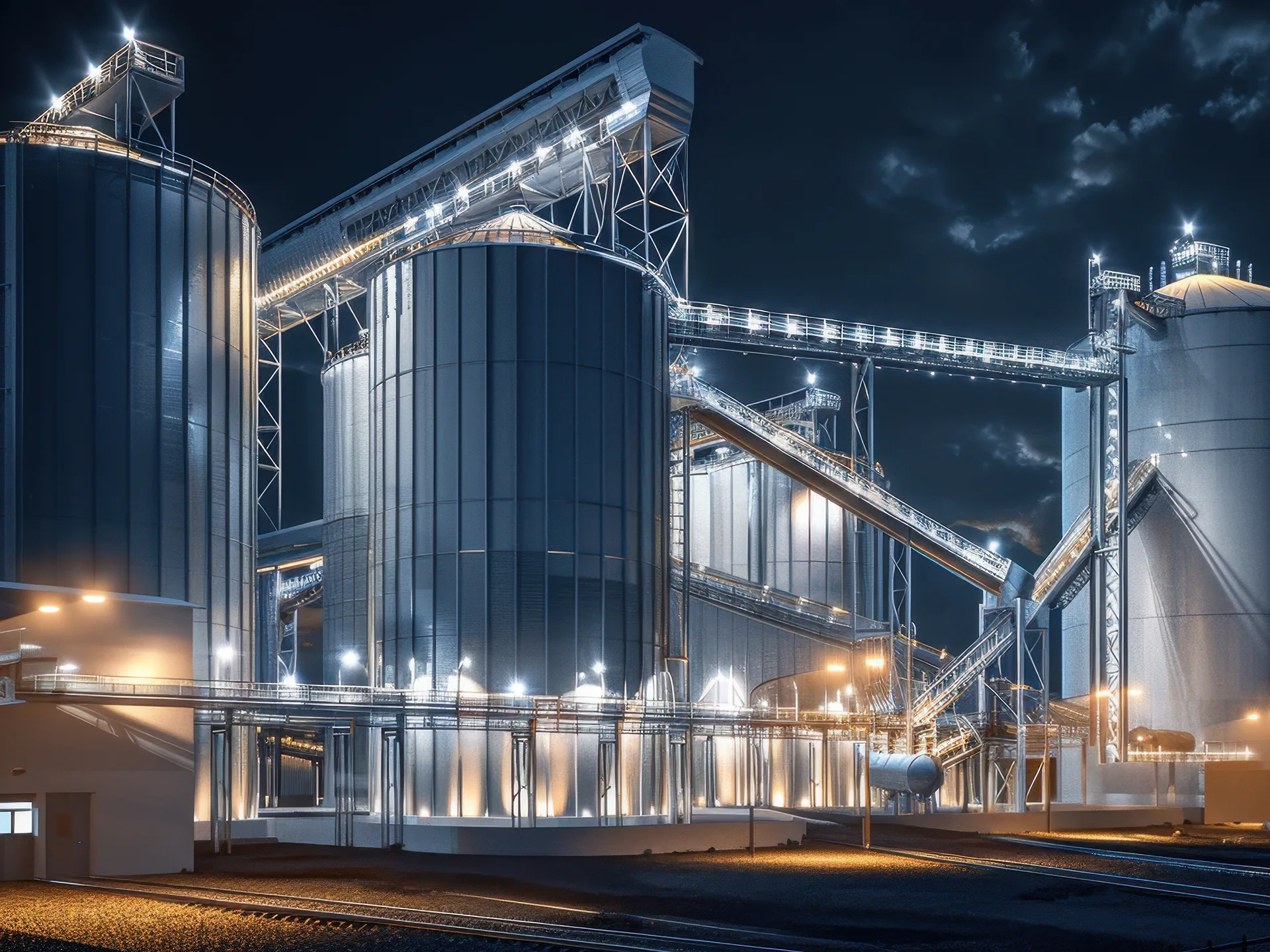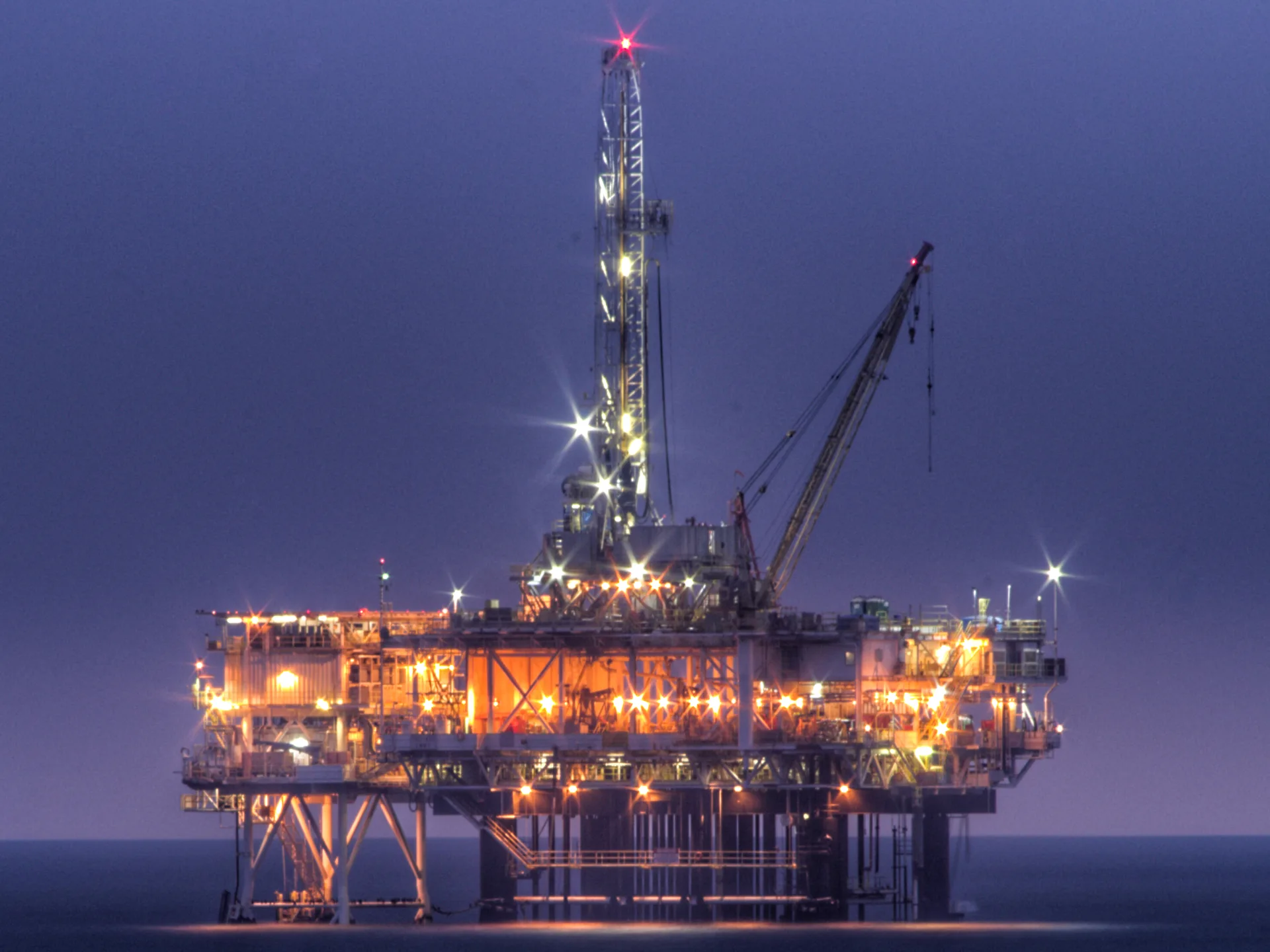
Offshore platforms operate in extreme conditions: they handle flammable crude oil and natural gas, while saltwater, high humidity, and strong winds increase equipment failure risks. Natural gas leaks (common during drilling or extraction) form explosive mixtures with air, and saltwater corrosion can damage ordinary light fixtures—exposing electrical components and generating sparks. Also, lightning strikes (a frequent offshore hazard) can induce electrical surges in non-explosion-proof lighting systems, triggering explosions.
Offshore platforms require 24/7 lighting for drilling operations, crew quarters, safety walkways, and emergency response (e.g., firefighting). Explosion-proof offshore lights are designed with marine-grade corrosion resistance (e.g., copper-free aluminum housings) and waterproof seals (IP68 or higher) to withstand saltwater and humidity. They also feature surge protection to resist lightning-induced electrical spikes and flameproof enclosures to contain internal explosions—critical for the confined, high-risk offshore environment.
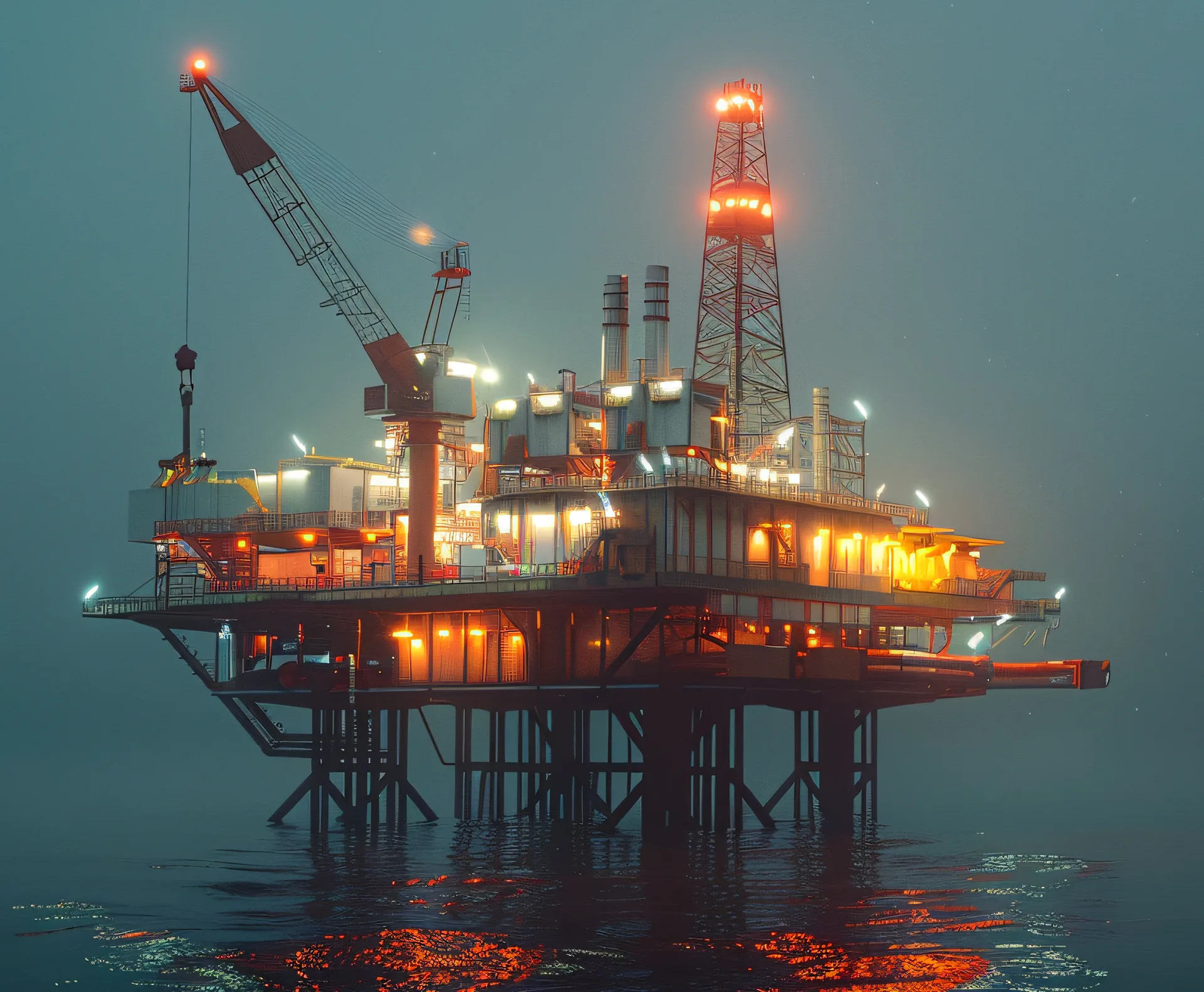
Rinse outdoor fixtures with fresh water weekly to remove salt deposits—salt corrosion is the main cause of seal and housing failure.
Inspect light mounting brackets monthly to ensure they’re tight—strong offshore winds can loosen fixtures, leading to damage or falls.
Test the lighting system’s surge protectors quarterly (especially before hurricane season) to ensure they can handle electrical spikes.
Ensure all staff know not to open or modify explosion-proof light fixtures without authorization—only qualified technicians should perform maintenance.
Conduct monthly tests of explosion-proof emergency lights (e.g., exit signs, pathway lights) to ensure they work during power outages caused by storms or equipment failure.